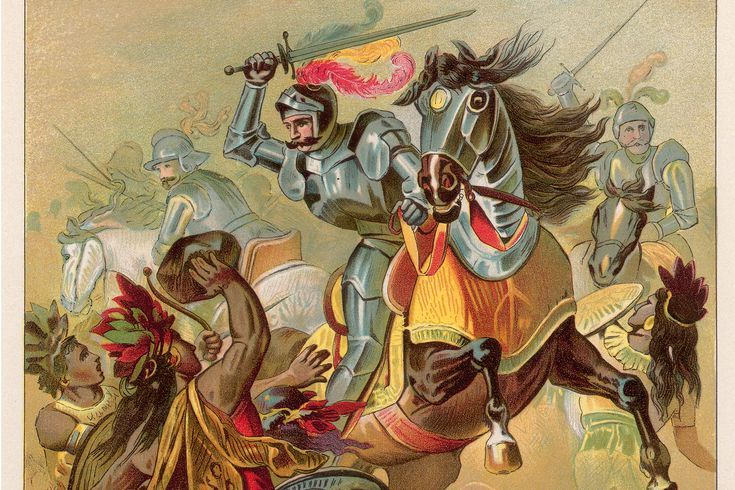
“El espiritu de un pueblo transciende cualquier conquista” (The spirit of a people transcends any conquest)
Introduction
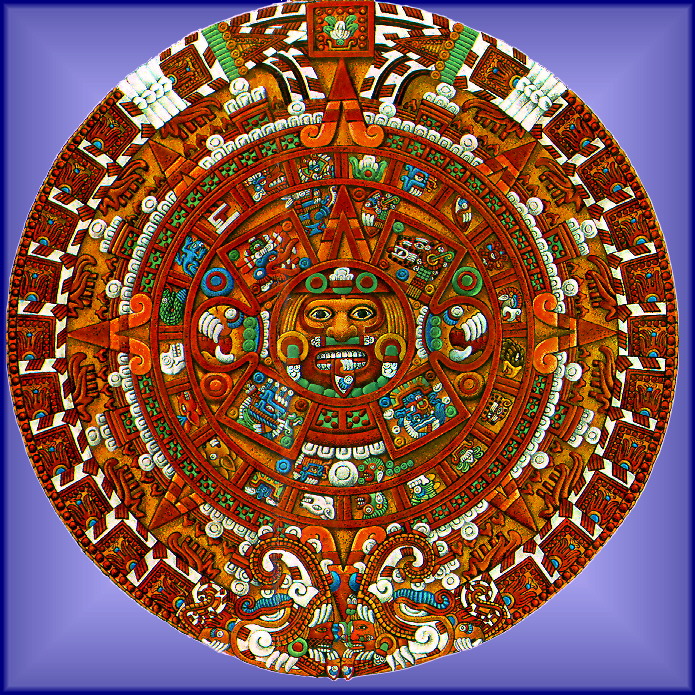
The Aztecs were a Native American people who inhabited and dominated Central Mexico at the time of the Spanish conquest. In the beginning, they were a poor, barbaric and nomadic people absorbing the culture of nearby states, especially the Toltecs. They served tribute to other tribes before settling in the Valley of Mexico. Then, during the 15th and early 16th centuries, through alliance, treachery and conquest they became a powerful political and cultural group, ruling Central Mexico and as far as Guatemala.

The Aztec Emperor or Tlatoani at the time of the Spanish arrival was Motecuhzoma Xocoyotzin or Moctezuma II, who ruled from 1502 to 1520. The Aztecs were defeated in 1521 by the Spanish under their leader Hernan Cortes and their native Tlaxcalan allies who were Aztec enemies. The Spanish went on to conquer Mexico and much of the Americas in the name of the Holy Roman Emperor and Spanish King Charles V. This essay will outline the causes of the fall.
1st Cause: Moctezuma & the Prophecy of Quetzalcoatl
Quetzalcoatl was a Mesoamerican deity, and his name means “feathered serpent”. The legend describes the return of a Toltec ruler to reclaim his kingdom. Moctezuma II was a heavy believer of this legend, and it tormented him. When he saw a comet in the sky one night, he was in tears until the morning, as he interpreted that as an omen of the Aztec’s destruction. He was said to have feared Cortes before they even met for this reason.

Effect: Moctezuma’s Belief of the Spanish as Gods
When the Spanish ships arrived in the Yucatan in early 1519, the Mayans interpreted the vessels as “moving mountains on the water”. They communicated this to Moctezuma, who related that to the return of Quetzalcoatl and welcomed the Spanish to stay in his palace on November 8, 1519. The Spanish took him hostage and started to take control of Tenochtitlan. Moctezuma was afraid to fight them even after pressures from his people.

2nd cause: The Aztec’s Rivalry with the Tlaxcalans
Tlaxcala was an enemy of the Aztecs. It was an independent state which had never been conquered. The Tlaxcalans hated the Aztecs because they were almost constantly attacked by them, and they relied on Tlaxcalans as a source of human sacrifices. They both fought wars to test their warriors. Tlaxcala was also economically isolated, surrounded by mountains and the Aztecs, and thus lacked resources such as cotton, salt, feathers and precious stones.

Effect: Tlaxcalan Alliance with the Spanish
By the times Cortes arrived in Tlaxcala in September 1519, the Tlaxcalans represented a fertile ground for an anti-Aztec alliance. Thus, the Tlaxcalans allied with the Spanish. Another effect was the help of Malintzin or La Malinche, a native slave given to Cortes who translated languages so he could communicate with the Aztecs. The Tlaxcalans accompanied the Spanish to Tenochtitlan, and fought with them to conquer the city. They helped build ships for the Spanish to use in Lake Texcoco near Tenochtitlan during the 1521 Siege of Tenhcotitlan. The Spanish-led armies included far more Tlaxcalan than Spanish warriors, and this helped greatly in defeating the Aztecs.
/tlaxcala-56a58aac3df78cf77288ba63-5c38b598c9e77c00012f5f85.JPG)
3rd cause: Aztec Weapons, Battle objectives & limited immune system
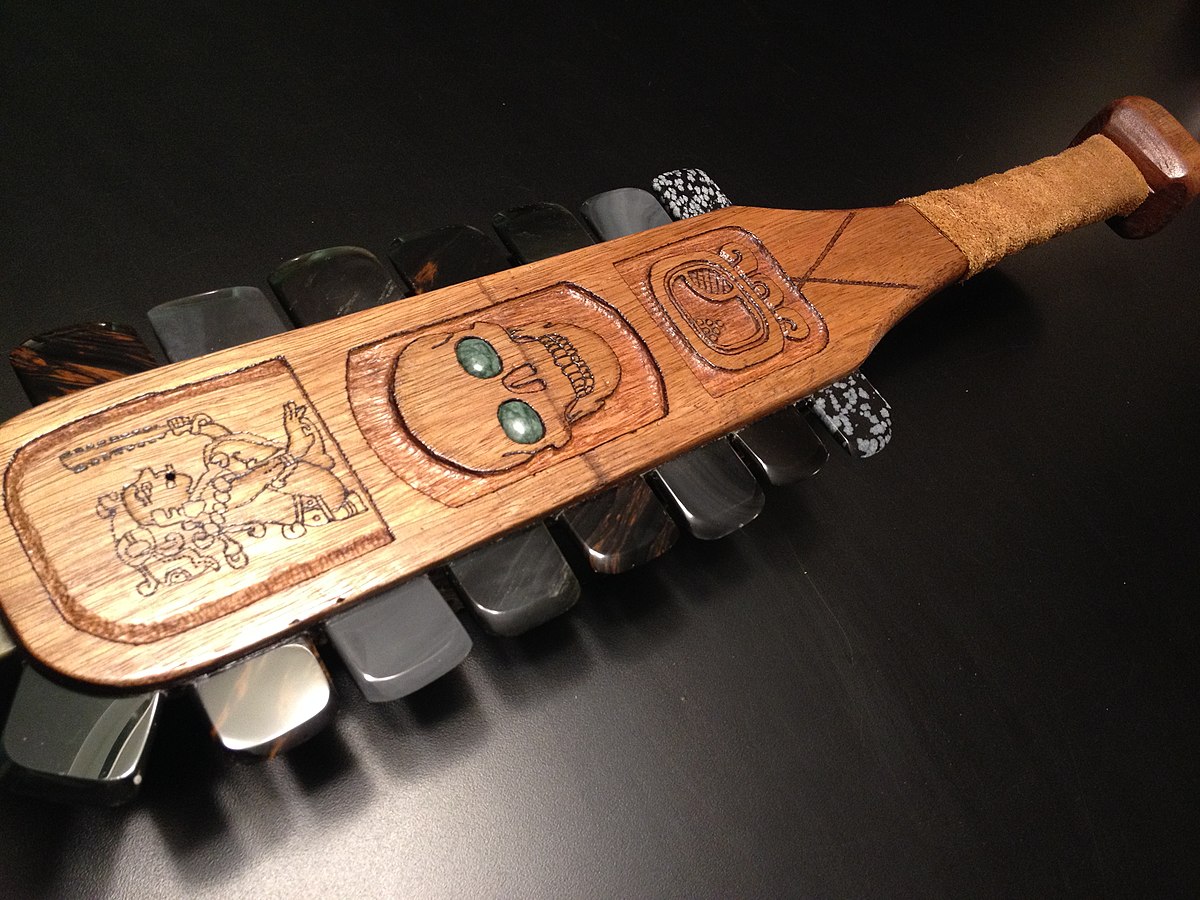
The Aztec weapons were designed to injure and capture the enemy warriors for sacrifice, as opposed to the Spaniards whose weapons were designed to kill the enemy. One of the Aztec weapons was a maquahuitl or war club made of wood, which consisted of a piece of wood with an obsidan blade, which was so sharp it cut off the heads of Spanish horses. Aztec warriors also used javelins and round shields with protective feather fringes. The Aztec weapons and strategies were not as advanced as Spanish ones. Also, the Aztecs had no immunity to the diseases that the Spanish brought with them such as smallpox, influenza and malaria. As a result, about 80% of the Aztecs died from the diseases before, during and after the Fall of Tenochtitlan.

Effect: Failure against superior Spanish weapons and Military Strategies
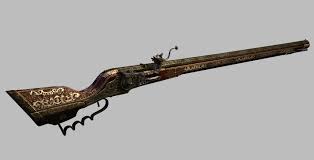
The Spaniards had developed steel armor and weapons, the latter of which were more advanced and effective. An example was the arquebus, a rifle-like weapon which was dangerous, inflicting heavy wounds and shaking the heavens when fired. However, it was far from the only Spanish weapon. The Spanish also wore metallic armor which was made in Toledo and among the finest in the world, and it made it very difficult for the natives to kill the Spanish. The Spanish horses were also important as the Aztecs had no idea they even existed, making them afraid. The horses allowed the conquistadors to move fast. Also, the Spanish used their rebuilt ships to navigate Lake Texcoco and attack the Aztecs.

Summary
The Spanish used all these factors to conquer the Aztec Empire. First, they were invited into Tenochtitlan by Moctezuma. The meeting between Hernan Cortes and Moctezuma was peaceful at first, but eventually tensions mounted between the two sides and Moctezuma was killed. Historians aren’t sure why or how he was killed, but the Spanish later tried to flee Tenochtitlan. However, during the Night of Tears the Aztecs attacked and killed 2/3rds of them. But Cortes escaped with some of his men from Tenochtitlan, Then he gathered a large force of natives including the Tlaxcalans to fight the Aztecs. He rereturned to Tenochtitlan and laid siege to the city beginning in May 1521, conquering it on August 13th after 3 months and causing the fall of the Aztec Empire. After this, the Spanish established an extension of Spain in Mexico, called New Spain, in 1521. Their goal was to convert the natives to Catholicism, exploit the resources and colonize the territory.

New Spain persisted until 1821, when the Mexicans rebelled against the Spanish and established Mexico, a mixture of 2 cultures, Spanish and Amerindian.

Bibliography
Baquedano, Elizabeth. Eyewitness Aztec, Inca & Maya. USA: DK Publishing, Inc, 2005
Cortes, Hernan. Cartas de Relacion. Mexico: Editorial Porrua,1992.
Diaz del Castilo, Bernal. Historia Verdadera de la Conquista de la Nueva Espana. Instituto de Investigaciones Historicas. Madrid: UNAM, 1982.
Newman, Garfield, et al. Echoes from the Past: World History to the 16th Century. Toronto: McGraw-Hill Ryerson Limited, 2001
Sahagun, Fray Bernardino de. Historia General de las Cosas de Nueva Espana. Mexico: Editorial Porrua, Mexico, 1956.
Saray Gutierrez, et al. The Conquistadors, The Age of Discovery, https://theageofdiscovery.wikispaces.com/The+Conquistadors
 diegodelaparra
Leave a comment