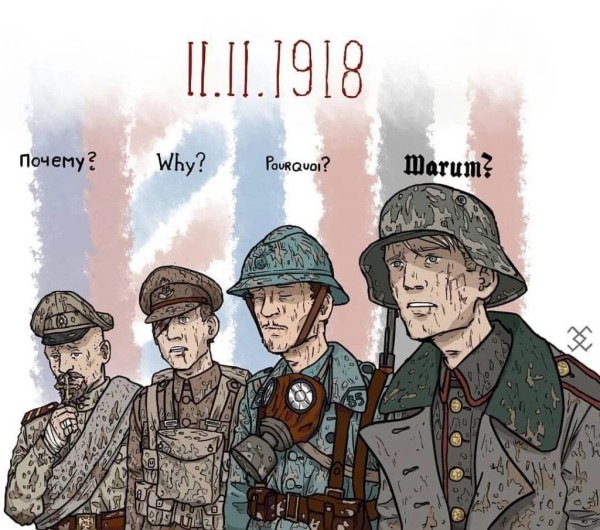
Wilfried Owen wrote many poems in the First World War, with one of the most famous being “Anthem for Doomed Youth”. Written in 1917 when he was recovering from injuries in the hospital, it depicts the dark destiny of young men fighting in the war to die. It is a warning against romanticizing the war,... Continue Reading →
Jekyll’s Fatal Voyage of Transcendence
Robert Louis Stevenson was a Scottish novelist, poet and travel writer who published a novella called The Strange Case of Henry and Jekyll in 1886. It is about a doctor called Henry Jekyll who separates himself into two beings. Through his investigations of the human psyche, Jekyll discovers that he is not simply one being,... Continue Reading →
The Idle Clockmaker and the Imprisoned Goose
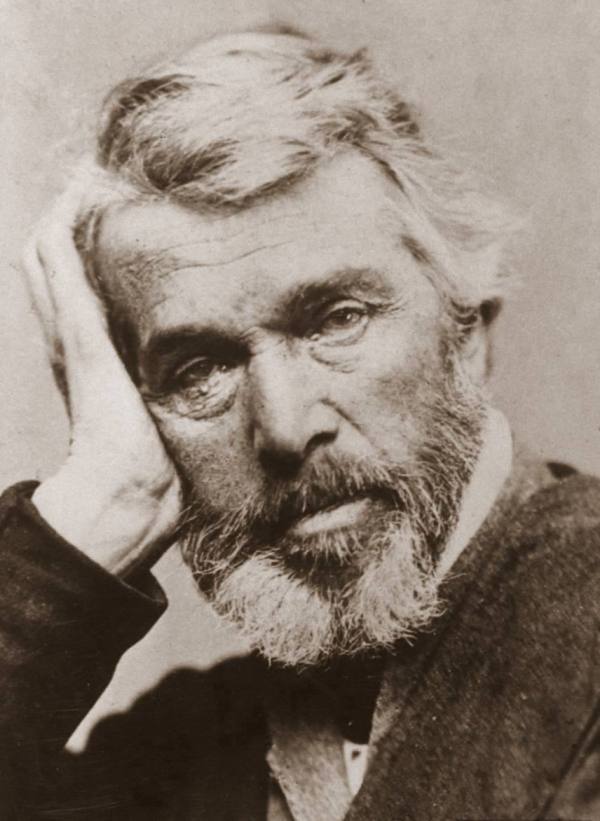
Thomas Carlyle was a Scottish historian and writer who in 1843 published his very influential historical and social criticism book “Past and Present”. There, he joins medieval history with criticism of 19th-century British society. In the chapter “Gospel of Mammonism”, Carlyle examines the materialism of his Victorian society. He argues that a society’s imagery of... Continue Reading →
John Keats’ Fear of Forgetting
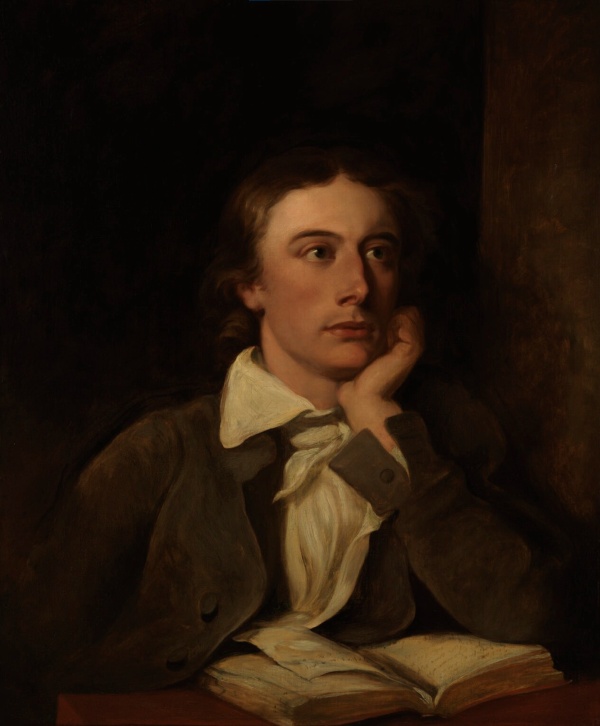
John Keats, “[When I have fears that I may cease to be]” When I have fears that I may cease to beBefore my pen has gleaned my teeming brain,Before high-pilèd books, in charactery,Hold like rich garners the full ripened grain;When I behold, upon the night’s starred face,Huge cloudy symbols of a high romance,And think that... Continue Reading →
Historical Time Traveler’s Guide: St. David’s and Southwest Wales, late 12th century
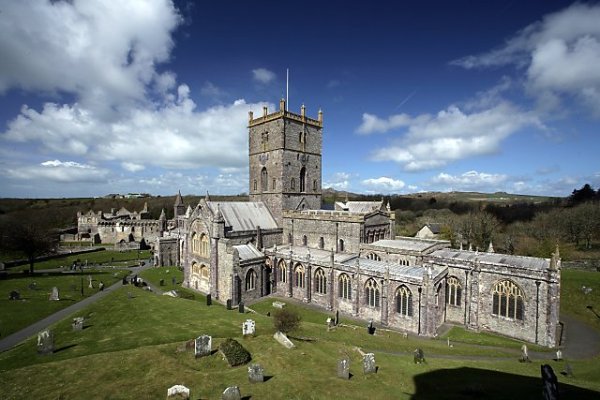
Location St David's is in the region of Deheubarth in the southwest of Wales. It is a remote corner on the coast of the Irish sea, with rocky and barren soil without woods, rivers, or meadows, never exposed to the winds and tempests.[1] The cathedral is in a narrow valley with damp, marshy and unstable... Continue Reading →
The Dangers of the East in “The Speckled Band”
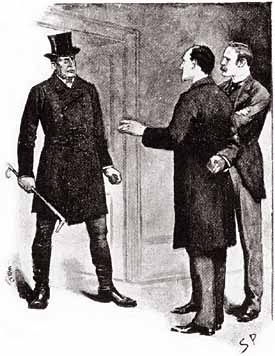
Arthur Conan Doyle’s “Sherlock Holmes: The Speckled Band” is a “locked room” mystery which sees the famed detective try to solve the mysterious death involving a “specked band” by the whim of Helen Stoner, who feels that her stepfather is attempting her murder so he can keep control of his inheritance. It is one of... Continue Reading →
Close Reading of “The Tyger”
William Blake’s “The Tyger” poem is arguably his most famous work in this form of literature and in all of English. It is about a person who wonders how a tiger is created, but it is not merely a fun poem. “The Tyger” is a discourse on duality, with a speaker who is shocked at... Continue Reading →
Wheatley’s and Douglass’ Sermons for Equality
Phillis Wheatley was an American poet and a child prodigy who wrote many well-regarded poems and was considered one of the best of her time, even being revered by George Washington. This was despite her status as a slave. Her poems which will be discussed in this essay are “On Being Brought from Africa to... Continue Reading →
“The Passing of Grandison” as an Ironic Story
“The Passing of Grandison” is a short story written by Charles Waddell Chesnutt and features in the collection The Wife of His Youth, and Other Stories of the Color Line published in 1899. Taking place in the 1850s, it has Richard “Dick” Owens, the son of the slave owner Colonel Owens, attempt to free one... Continue Reading →
The “Innocent”, “Naked” Blacks in “Benito Cereno”
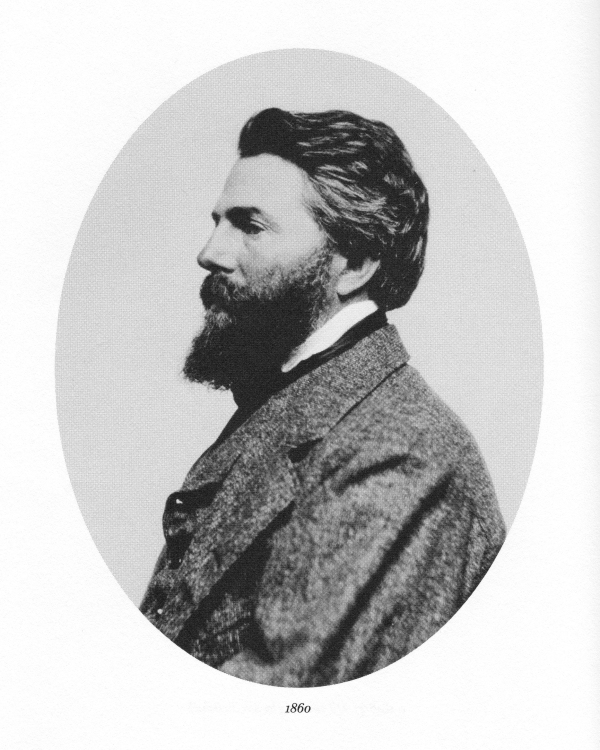
In Herman Melville’s Benito Cereno, there is a scene where Captain Delano encounters a group of black women and children on the deck of the Saint Dominick. While looking at them, Delano assumes that the women are uncivilized but at the same time are well-mannered, innocent and loving towards their children. This scene, unlike what... Continue Reading →