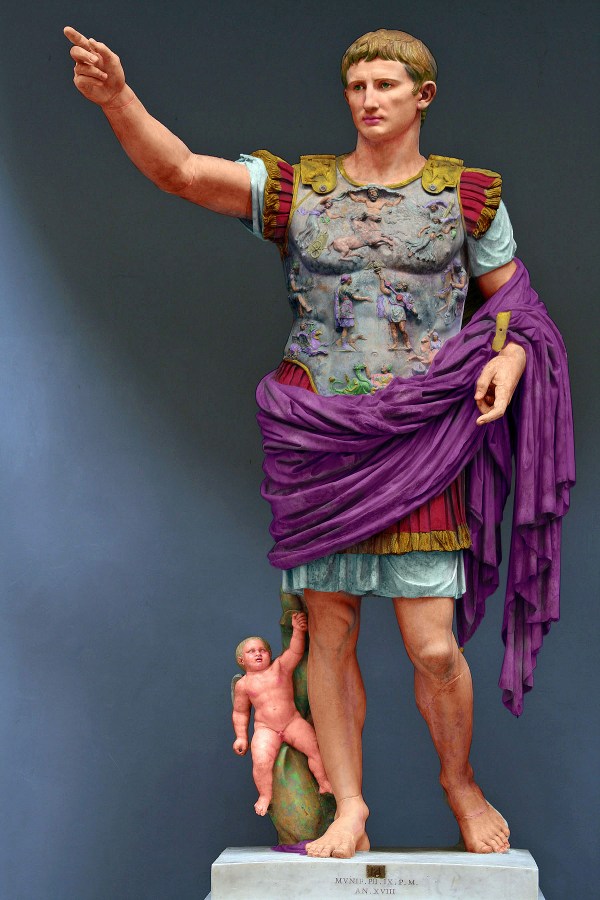
The document is a copy of a letter that Augustus had given in reply to Samos, inscribed in a marble block from the grand archive wall of the theatre in Aphrodisias, Caria. The date of the letter is not exactly clear: but it was most likely from soon after 27 BC.[1] The Aphrodisian copy may... Continue Reading →
Analysis of The Tomb of Fastia Velsi from Chiusi
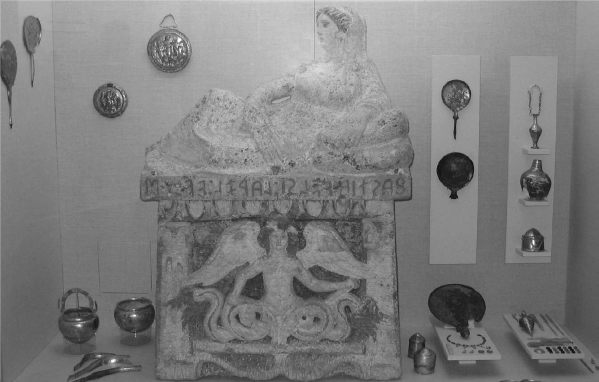
Fastia Velsi’s urn was part of a tomb in the Colle Lucioli near Chiusi. The lid of Fastia Velsi’s inscribed travertine urn depicts her wearing a tunic and elaborate jewelry, reclining on two pillows as if in a banquet. The front of the container depicts a youthful figure with wings and fishtail legs. It possibly... Continue Reading →
Injustice and Retribution in “Murder” and “Death and the Maiden”
Abstract This essay is a comparison of the concept of retribution in two plays: Hanoch Levin’s “Murder and Ariel Dorfman’s “Death and the Maiden”. It explores the injustices suffered by two characters: a Palestinian father who has his son murdered by Israeli soldiers and a Chilean woman who is kidnapped and tortured during the military... Continue Reading →
Lubna’s Journey from a Soothing Illusion to a Haunting Reality
The Israeli-Palestinian conflict has been portrayed in many pieces of art from both perspectives of the conflict. In 2015, the Palestinian playwright Dalia Taha wrote a play from the Palestinian perspective called “Fireworks”. It follows the harsh lives of two Palestinian families in an apartment block who deal with the gravity of their situation by... Continue Reading →
The Advancement and Reversal of Democratic Freedoms and Economic Equality in Latin America during the 20th century
In the first half of the 20th century, Latin America was going through a dynamic change. Social movements were taking control of their national destinies, advancing democracy along with economic equality in countries like Mexico, Brazil, and Argentina. But the United States, through its coup in Guatemala, initiated the Cold War which saw both the... Continue Reading →
The Moral Complexity of the Spanish Conquest of the Americas
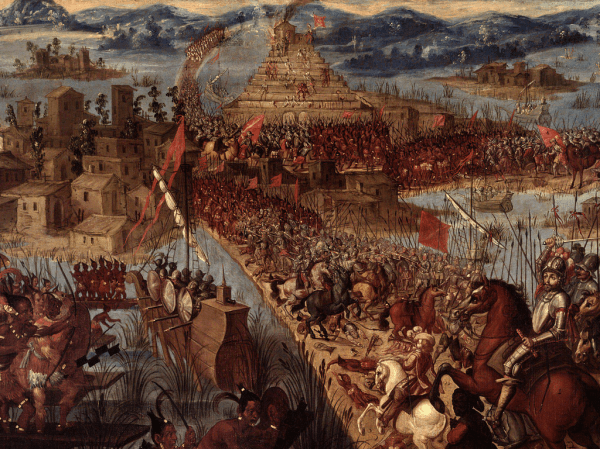
The Spanish conquest of America is a morally complex topic. Like any conquest, it involved brutality and violence. But this is not the whole story: to understand the conquest, one has to understand the logic of the conquerors’ world and their situation. The Spanish, having developed a Christian zeal in the long Reconquista, juxtaposed themselves... Continue Reading →
Polybius and the Background of the Second Punic War’s Outbreak
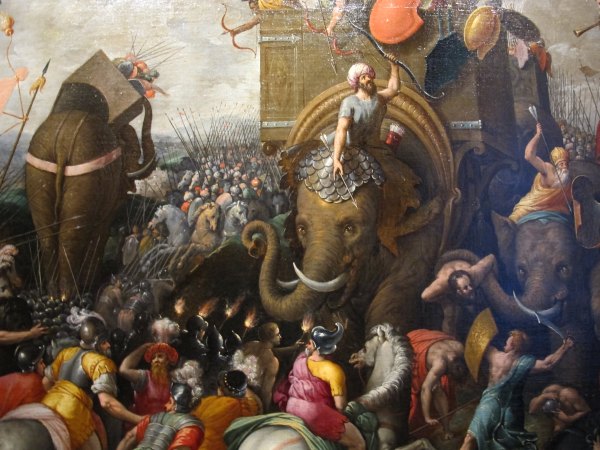
This source is a passage from Book 3, Chapter 30 of Polybius’ Histories on the causes of the Second Punic War. It argues that both sides are to blame for the war, giving reasons why. The Spanish city of Saguntum had placed itself under Roman protection since they had turned to the Romans to solve... Continue Reading →
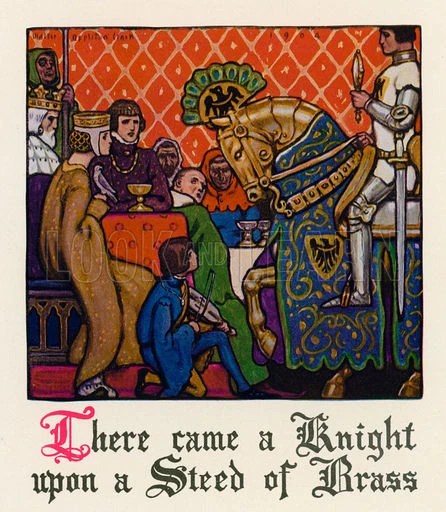
The Squire’s Tale as a Representation of His Character & Ideals
In Geoffrey Chaucer’s The Canterbury Tales, the Squire is one of the characters who gets to tell a tale. His tale is an interlaced romance, a common form in the Middle Ages which was very long. The exotic and fantastical setting of the Squire’s Tale reflects his ambition, talents and imagination, and while he does... Continue Reading →