The Dutiful Prince Hector

In the Iliad, Hector is a Trojan prince who leads his people in their war against the Greeks. Book 6 describes his character and reason for fighting. Hector is the Trojans’ pillar, a humble man who accepts his fate but fights so he can earn fame while securing the Trojans’ future. All the Trojans look... Continue Reading →

Overview of Mycenaean Greece

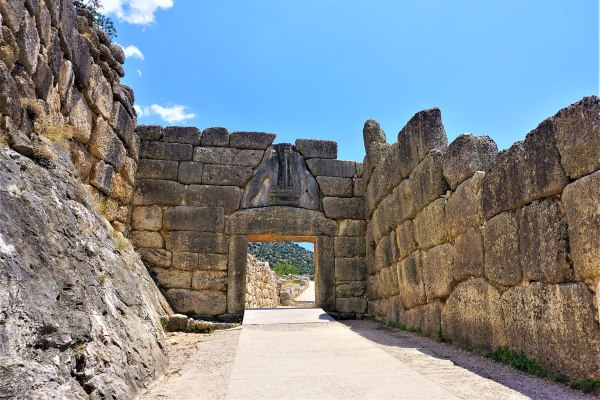
Mycenaean Greece was the late Bronze Age period of Greek history from around 1750 to 1050 BC, when the first advanced civilization emerged in mainland Greece. It is named after the city of Mycenae. The Mycenaean Greeks made significant advances in engineering, architecture, and military infrastructure. They created the first Greek script, Linear B, and... Continue Reading →

Goju-Ryu: From Okinawa to the World

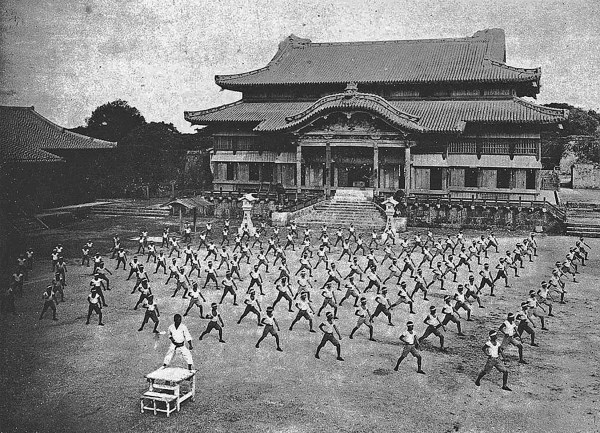
(In memory of the late Hanshi Scott Hogarth, a great friend and teacher) Goju-ryu is a karate style from Okinawa, one of Japan’s Ryukyu Islands. It was founded by Chojun Miyagi in 1930, but its roots go back to his master Higaonna Kanryo, creator of the Naha-te style. Goju’s main kata or form, Sanchin, is... Continue Reading →

Short Overview of Early Hebrew History

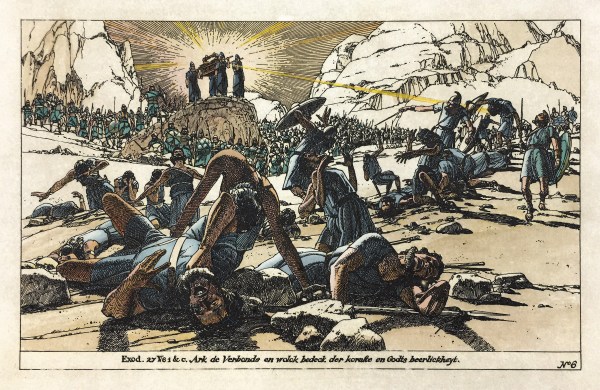
Abraham was a clan chief from Ur in Mesopotamia. Following God’s call, who promised him his own land and many descendants, he travelled west to Canaan. Abraham believed that God demanded his son Isaac as a sacrifice. However, God stopped Abraham at the last minute, and Abraham offered a ram instead, foreshadowing the Crucifixion. To... Continue Reading →

Jane Eyre as Mr. Rochester’s Liberator

The novel Jane Eyre is a Victorian Gothic bildungsroman that explores the early life of the eponymous character. At eighteen Jane is hired by Mr. Rochester as a governess at Thornfield Hall. This essay will argue that Jane’s innocent, independent personality liberates Mr. Rochester from his mental enslavement at Thornfield Hall. Jane provides a glimpse... Continue Reading →

Blog at WordPress.com.

Up ↑