In the Iliad, Hector is a Trojan prince who leads his people in their war against the Greeks. Book 6 describes his character and reason for fighting. Hector is the Trojans’ pillar, a humble man who accepts his fate but fights so he can earn fame while securing the Trojans’ future. All the Trojans look... Continue Reading →
Love as a Maturing Feeling in 19th Century British Novels
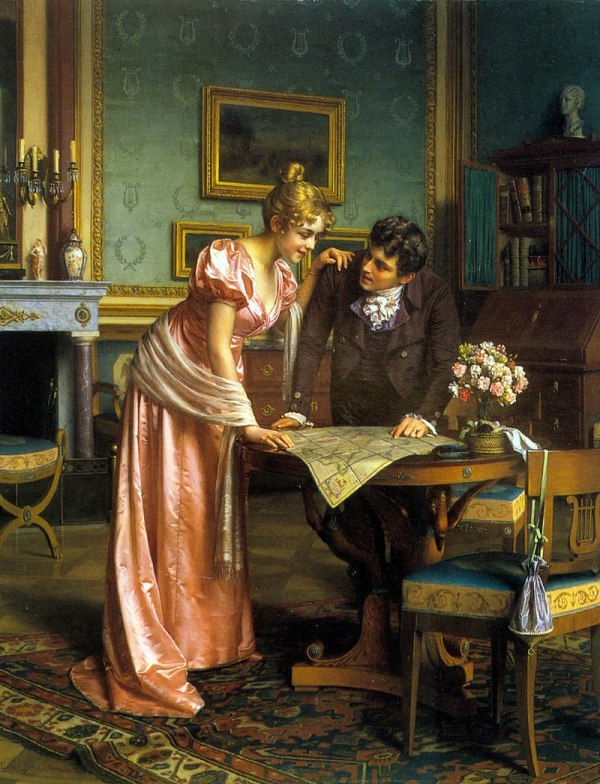
The English novels Emma, Jane Eyre and Middlemarch are all among the most famous of the 1800s and feature romances between main characters which are important for the story. Emma Woodhouse falls in love with George Knightley, Jane Eyre with Edward Rochester, and Dorothea Brooke with Edward Casaubon and then Will Ladislaw. These novels explore... Continue Reading →
Jane Eyre as Mr. Rochester’s Liberator
The novel Jane Eyre is a Victorian Gothic bildungsroman that explores the early life of the eponymous character. At eighteen Jane is hired by Mr. Rochester as a governess at Thornfield Hall. This essay will argue that Jane’s innocent, independent personality liberates Mr. Rochester from his mental enslavement at Thornfield Hall. Jane provides a glimpse... Continue Reading →
Emma’s Journey to Individual Maturity & Love
The novel Emma by Jane Austen explores the life of the eponymous young woman in the village of Highbury. Emma Woodhouse is 21 years old and respected in her community, but also inexperienced in the world. She is close to Mr. George Knightley, a family friend, whose younger brother is married to Emma’s older sister... Continue Reading →
The Freedom to Sin and Repent in Milton’s “Paradise Lost”
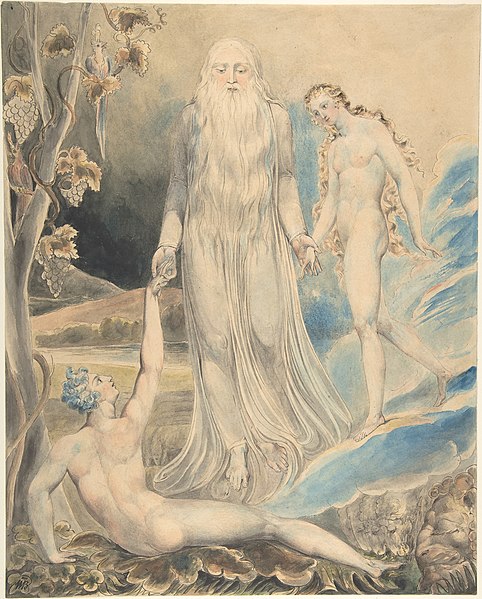
In his texts, Milton teaches that one is free to sin and suffer the resulting loss, but that loss is also part of growth, and one should repent so that new fruits can grow from the repentance. Adam and Eve ask God for forgiveness after their Fall and are given grace through Jesus’ sacrifice. But... Continue Reading →
Jesus’ Wilderness as an antithesis to Eden
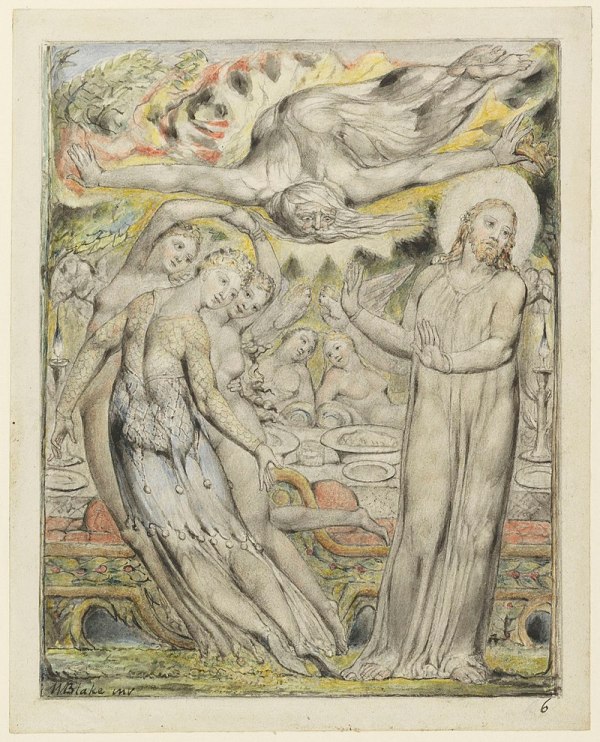
In John Milton’s Paradise Regained, Milton chooses the rather unexpected moment of Jesus’ retreat into the wilderness for Jesus’ greatest triumph: the regaining of Paradise. He portrays it as the antithesis to Adam and Eve’s temptation in Eden, and it is in this moment that Jesus is tempted with everything by Satan to take the... Continue Reading →
Eve’s Argument for Free Will & Reason in Paradise Lost
In Book 9 of Paradise Lost, Adam and Eve argue on whether to split up their work. Adam fears that Eve will be easily tempted if she leaves him. Eve argues that Adam needs to trust her and that untested faith and love is weak, echoing God’s and Milton’s beliefs on the importance of free... Continue Reading →
Satan’s False Opposition to Tyranny in Paradise Lost
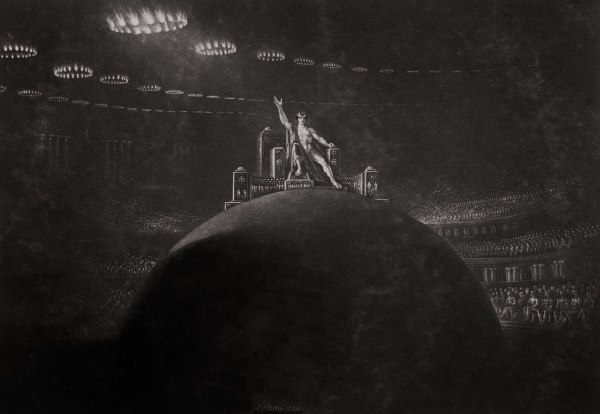
In John Milton’s Paradise Lost, the semblance of hell, Satan and his fellow demons is often radically different from their substance. One strong example of this is in hell’s freedom. Satan claims that hell is a democratic form of government, but this is proven not to be the case through Satan’s tyrannical rule and his... Continue Reading →
Comparing and Contrasting Melancholy in Cavendish and Milton
In both John Milton’s Il Penseroso and Margaret Cavendish’s A Dialogue between Melancholy and Mirth, Melancholy is a mature intellectual pursuit imparting knowledge and virtue since the poets draw on its complex and multifaceted nature. But while Cavendish’s description of melancholic thoughts and actions is very generalized, Milton’s is more specific. This may be because... Continue Reading →
Two Versions of King Arthur Contrasted
The story of King Arthur has been told in many different forms over the centuries. Two of the core seminal works are Sir Gawain and the Green Knight, a long poem from the 14th century by an unknown author, and Le Morte d’Arthur, a prose work from the 15th century by Thomas Malory. King Arthur... Continue Reading →