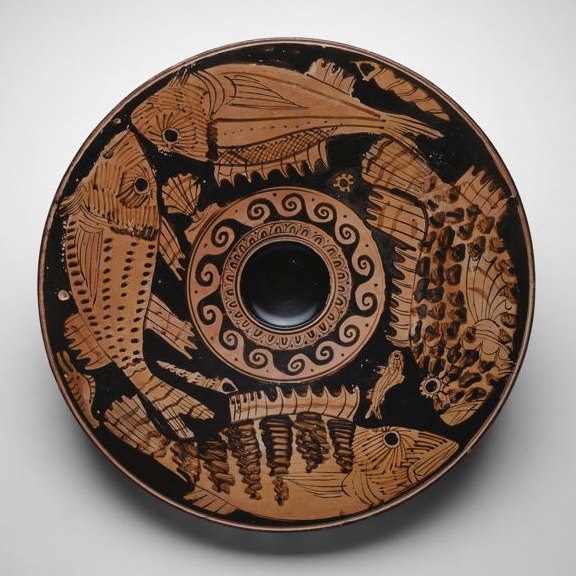
The first lecture by John Wilkins was on food in Greco-Roman Culture. Wilkins started out by talking about anthropological situations of food and culture in antiquity. The ancient Greco-Romans believed that nature was controlled by powerful forces, normally gods. I think this is a good point: many ancient cultures including the Greeks knew the world... Continue Reading →
Augustus’ relationship with Aphrodisias and Samos
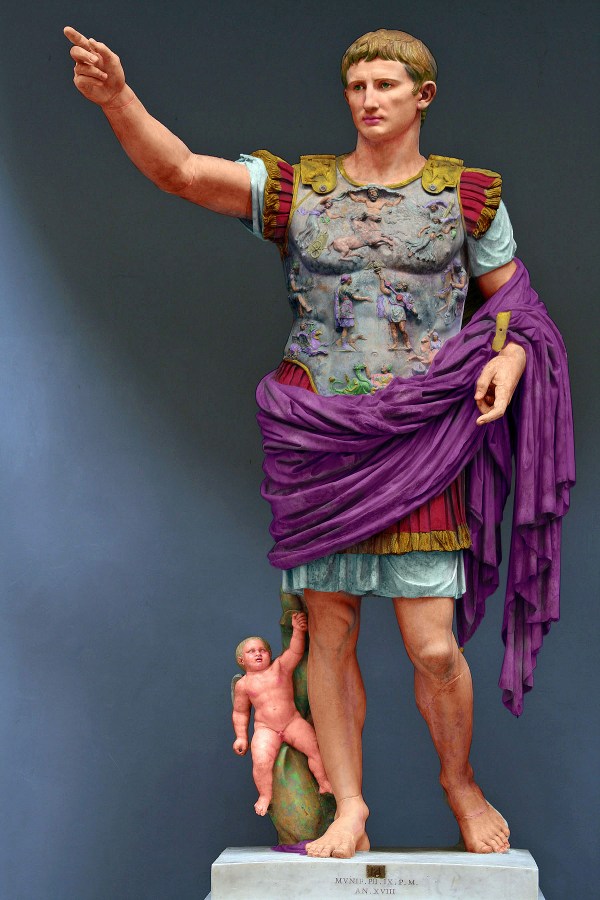
The document is a copy of a letter that Augustus had given in reply to Samos, inscribed in a marble block from the grand archive wall of the theatre in Aphrodisias, Caria. The date of the letter is not exactly clear: but it was most likely from soon after 27 BC.[1] The Aphrodisian copy may... Continue Reading →
Analysis of The Tomb of Fastia Velsi from Chiusi
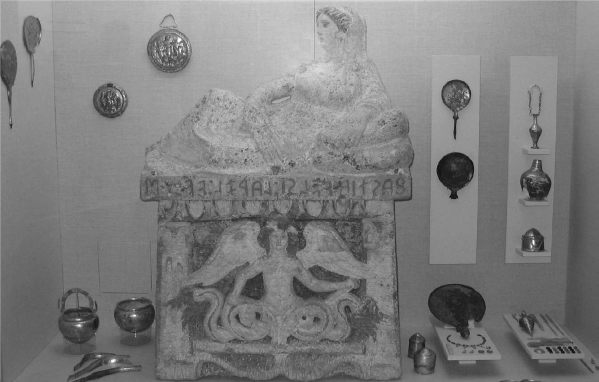
Fastia Velsi’s urn was part of a tomb in the Colle Lucioli near Chiusi. The lid of Fastia Velsi’s inscribed travertine urn depicts her wearing a tunic and elaborate jewelry, reclining on two pillows as if in a banquet. The front of the container depicts a youthful figure with wings and fishtail legs. It possibly... Continue Reading →
Polybius and the Background of the Second Punic War’s Outbreak
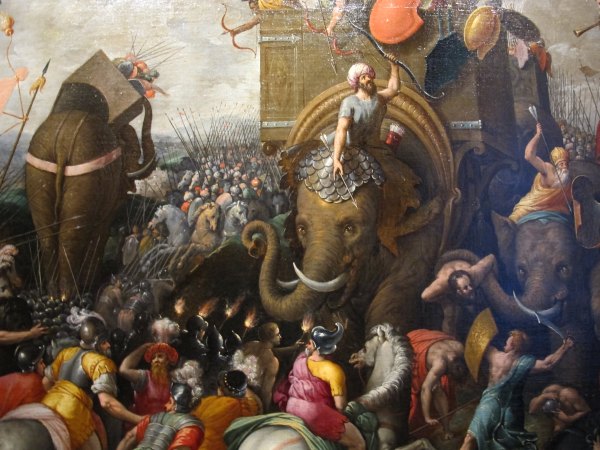
This source is a passage from Book 3, Chapter 30 of Polybius’ Histories on the causes of the Second Punic War. It argues that both sides are to blame for the war, giving reasons why. The Spanish city of Saguntum had placed itself under Roman protection since they had turned to the Romans to solve... Continue Reading →