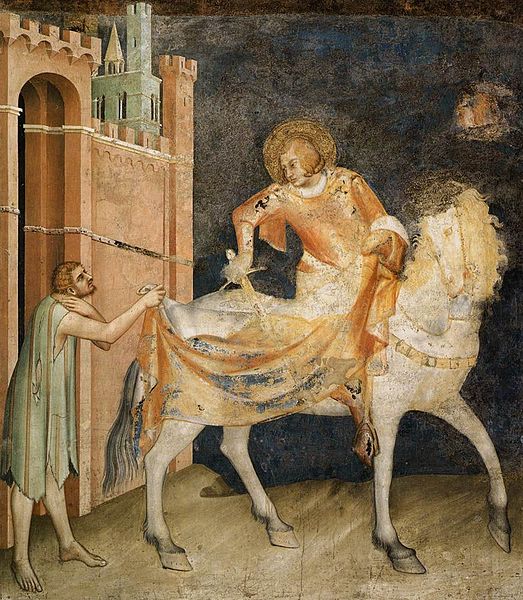
St. Martin of Tours was one of the central saints of the medieval monastic tradition. He had been a soldier, monk, and then bishop of Tours in his lifetime. This essay argues that because Martin was portrayed as the exemplary miles Christi or warrior for Christ in his monastic biography, he was an ideal for... Continue Reading →
The Ideals and Roles of Late Antique Monasticism
Late antique monks and nuns believed their true utopia would come later in heaven, while on Earth they had to strive for perfection through virtue. One of the things this involved was being free of material possessions that could distract them so they could imitate Christ. Monks were often wealthy people who sold their possessions... Continue Reading →
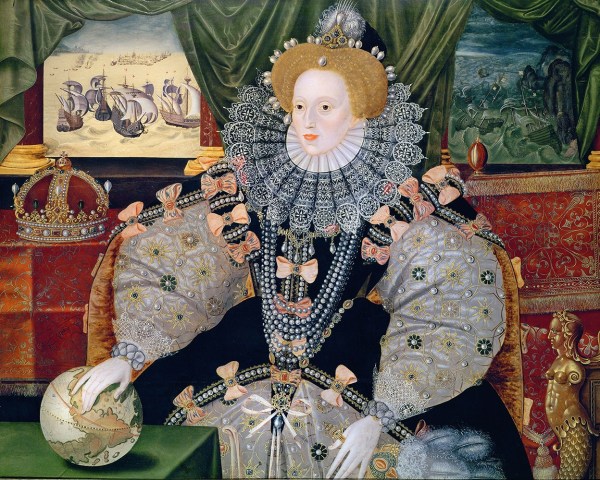
Queen Elizabeth’s Role as a Female English Monarch
Queen Elizabeth I was one of England’s greatest monarchs, staying in power for 45 years, one of the longest reigns of any English monarch. But her rise to power was not easy, and she wasn’t even the first in line. Carole Levin’s Heart and Stomach of a King tells us the ways Elizabeth navigated the... Continue Reading →
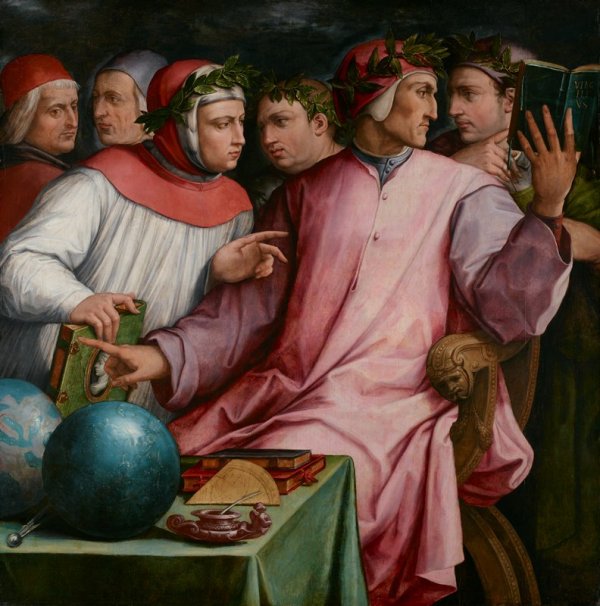
The Clashing Worldviews of Dante and Petrarch
Dante Alighieri and Francesco Petrarch were Florentine thinkers active in the 13th and 14th centuries. But their worldviews were very different, and two of their most famous texts reflect this. Dante’s On Monarchy uses Aristotelian scholasticism to argue that the Holy Roman Emperor has the right to rule over Europe. Meanwhile, Petrarch’s On His Own... Continue Reading →
The Freedom to Sin and Repent in Milton’s “Paradise Lost”
In his texts, Milton teaches that one is free to sin and suffer the resulting loss, but that loss is also part of growth, and one should repent so that new fruits can grow from the repentance. Adam and Eve ask God for forgiveness after their Fall and are given grace through Jesus’ sacrifice. But... Continue Reading →
Jesus’ Wilderness as an antithesis to Eden
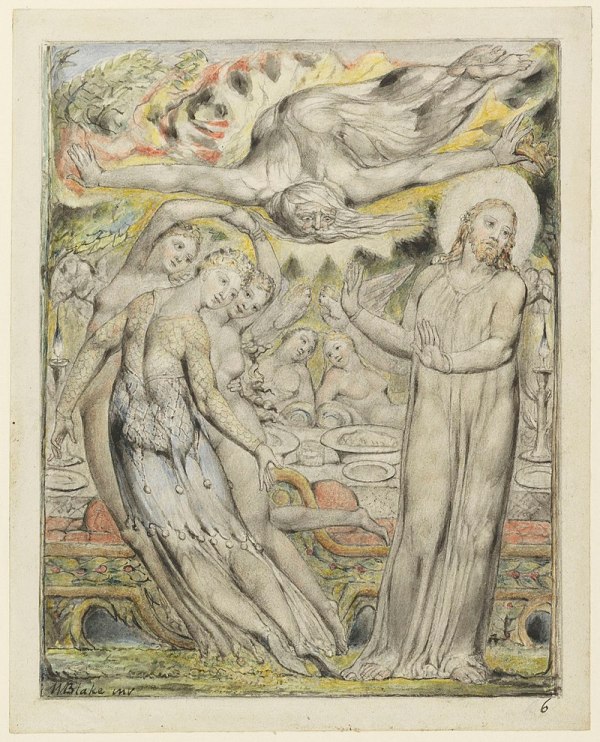
In John Milton’s Paradise Regained, Milton chooses the rather unexpected moment of Jesus’ retreat into the wilderness for Jesus’ greatest triumph: the regaining of Paradise. He portrays it as the antithesis to Adam and Eve’s temptation in Eden, and it is in this moment that Jesus is tempted with everything by Satan to take the... Continue Reading →
Eve’s Argument for Free Will & Reason in Paradise Lost
In Book 9 of Paradise Lost, Adam and Eve argue on whether to split up their work. Adam fears that Eve will be easily tempted if she leaves him. Eve argues that Adam needs to trust her and that untested faith and love is weak, echoing God’s and Milton’s beliefs on the importance of free... Continue Reading →
Satan’s False Opposition to Tyranny in Paradise Lost
In John Milton’s Paradise Lost, the semblance of hell, Satan and his fellow demons is often radically different from their substance. One strong example of this is in hell’s freedom. Satan claims that hell is a democratic form of government, but this is proven not to be the case through Satan’s tyrannical rule and his... Continue Reading →
Comparing and Contrasting Melancholy in Cavendish and Milton
In both John Milton’s Il Penseroso and Margaret Cavendish’s A Dialogue between Melancholy and Mirth, Melancholy is a mature intellectual pursuit imparting knowledge and virtue since the poets draw on its complex and multifaceted nature. But while Cavendish’s description of melancholic thoughts and actions is very generalized, Milton’s is more specific. This may be because... Continue Reading →
A Glimpse into the Development and Growth of Quebec’s Railway Industry in Historic Newspapers
A large country such as Canada requires a strong railway industry for its transportation and economy. Four historical articles from Quebec’s English speaking media can tell us about the growth and development of the railway industry in Quebec and in relation to the rest of Canada, with citizens and the government being integral to this... Continue Reading →