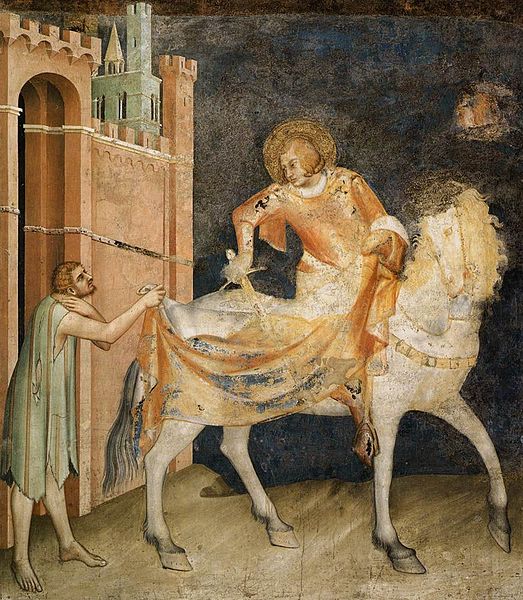
St. Martin of Tours was one of the central saints of the medieval monastic tradition. He had been a soldier, monk, and then bishop of Tours in his lifetime. This essay argues that because Martin was portrayed as the exemplary miles Christi or warrior for Christ in his monastic biography, he was an ideal for... Continue Reading →
The Ideals and Roles of Late Antique Monasticism
Late antique monks and nuns believed their true utopia would come later in heaven, while on Earth they had to strive for perfection through virtue. One of the things this involved was being free of material possessions that could distract them so they could imitate Christ. Monks were often wealthy people who sold their possessions... Continue Reading →
The Clashing Worldviews of Dante and Petrarch
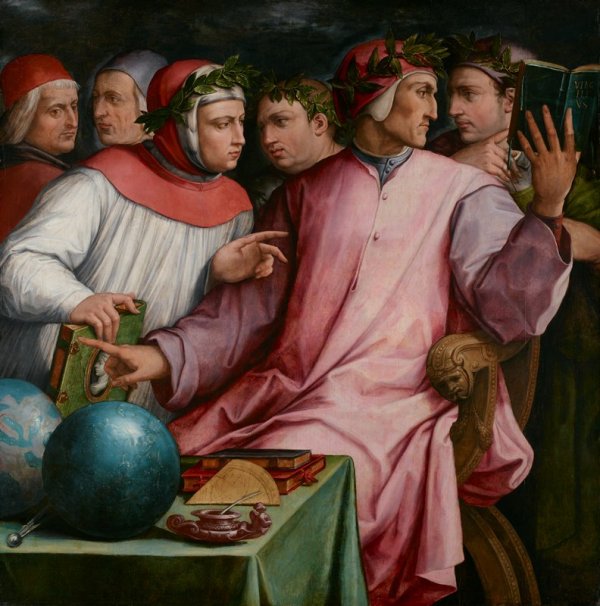
Dante Alighieri and Francesco Petrarch were Florentine thinkers active in the 13th and 14th centuries. But their worldviews were very different, and two of their most famous texts reflect this. Dante’s On Monarchy uses Aristotelian scholasticism to argue that the Holy Roman Emperor has the right to rule over Europe. Meanwhile, Petrarch’s On His Own... Continue Reading →
The Reconceptualization of Marriage as an Independent Institution in Early Modern Europe
Medieval marriages were multifaceted. In canon law marriage focused more on consent and autonomy than rules. Laws of marriage were not always followed, and different types of marriage could be experimented with. Weddings were often just as much social and opulent events as they were about the couple. Mock youth groups could prepare themselves for... Continue Reading →
The Fall of the Aztecs
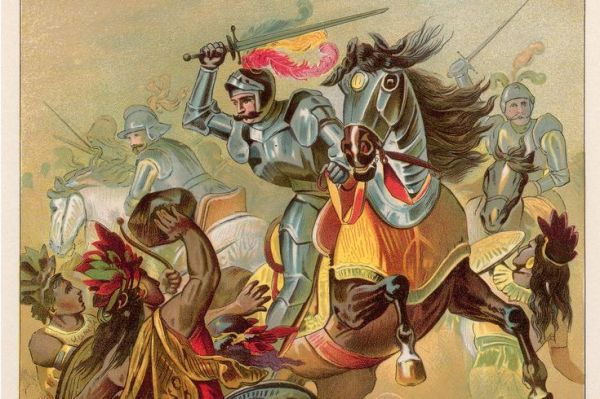
"El espiritu de un pueblo transciende cualquier conquista" (The spirit of a people transcends any conquest) Introduction The Aztecs were a Native American people who inhabited and dominated Central Mexico at the time of the Spanish conquest. In the beginning, they were a poor, barbaric and nomadic people absorbing the culture of nearby states, especially... Continue Reading →