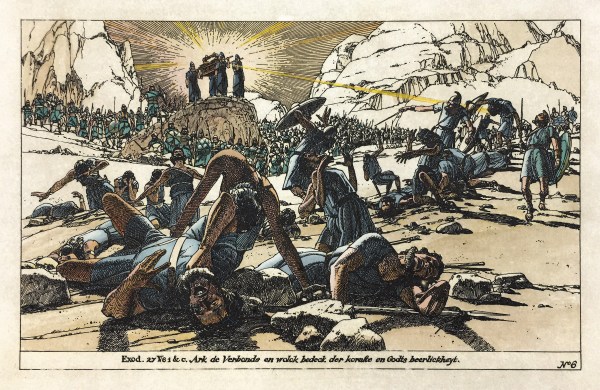
Abraham was a clan chief from Ur in Mesopotamia. Following God’s call, who promised him his own land and many descendants, he travelled west to Canaan. Abraham believed that God demanded his son Isaac as a sacrifice. However, God stopped Abraham at the last minute, and Abraham offered a ram instead, foreshadowing the Crucifixion. To... Continue Reading →
The Role of the Jews in the Glorious Revolution
The Glorious Revolution was one of the most significant events in English history. It was the last successful invasion of England and saw the replacement of the Stuart monarch James II with his daughter Mary and her husband William of Orange, who became King William III. This paper will argue that Jews played a crucial... Continue Reading →
St. Martin of Tours as an ideal “miles Christi” for the late Middle Ages
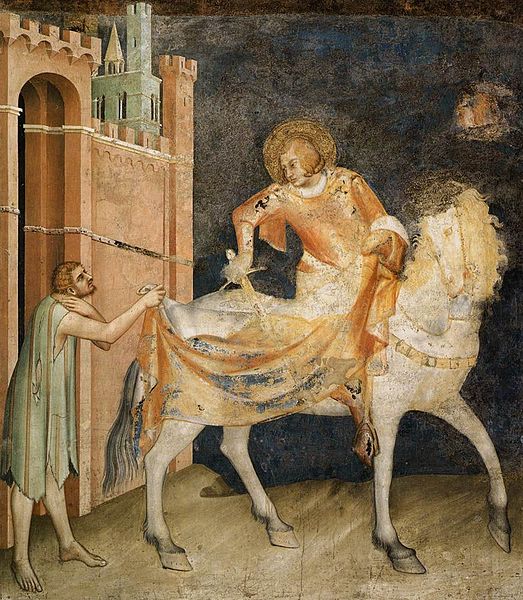
St. Martin of Tours was one of the central saints of the medieval monastic tradition. He had been a soldier, monk, and then bishop of Tours in his lifetime. This essay argues that because Martin was portrayed as the exemplary miles Christi or warrior for Christ in his monastic biography, he was an ideal for... Continue Reading →
Commentary on “The Conversion and Journey of St. Hortensius of Toulouse”
My saint takes inspiration from many of the saints I’ve studied. I decided to choose St. Martin’s time and place for my saint because I found Martin’s life, his time period and his conversion of the pagans interesting. I wanted to create a saint with some similar experiences and qualities while having other ones. Like... Continue Reading →
The Conversion and Journey of St. Hortensius of Toulouse
St. Hortensius was born in Toulouse, southern Gaul, in 334 AD to a wealthy and prominent pagan family. Hortensius always had the light of intelligence, and read the poetry of Virgil, Ovid, and Cicero. Hortensius was full of energy and liked to wrestle. But he was also boisterous and arrogant: as soon as he reached... Continue Reading →
The Ideals and Roles of Late Antique Monasticism
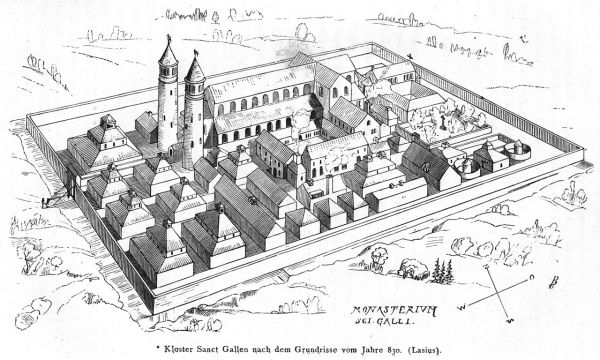
Late antique monks and nuns believed their true utopia would come later in heaven, while on Earth they had to strive for perfection through virtue. One of the things this involved was being free of material possessions that could distract them so they could imitate Christ. Monks were often wealthy people who sold their possessions... Continue Reading →
Queen Elizabeth’s Role as a Female English Monarch
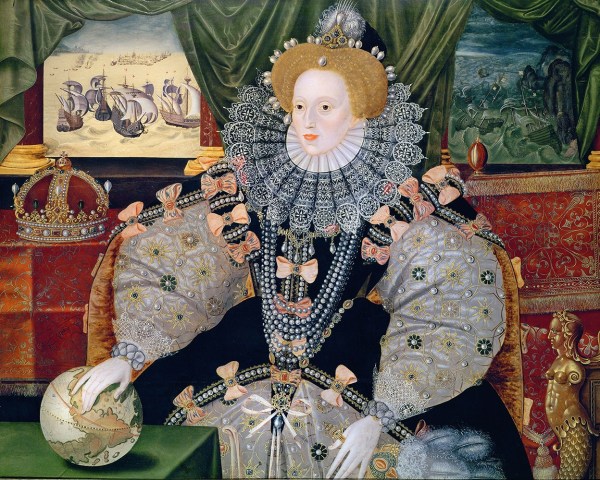
Queen Elizabeth I was one of England’s greatest monarchs, staying in power for 45 years, one of the longest reigns of any English monarch. But her rise to power was not easy, and she wasn’t even the first in line. Carole Levin’s Heart and Stomach of a King tells us the ways Elizabeth navigated the... Continue Reading →
The Freedom to Sin and Repent in Milton’s “Paradise Lost”
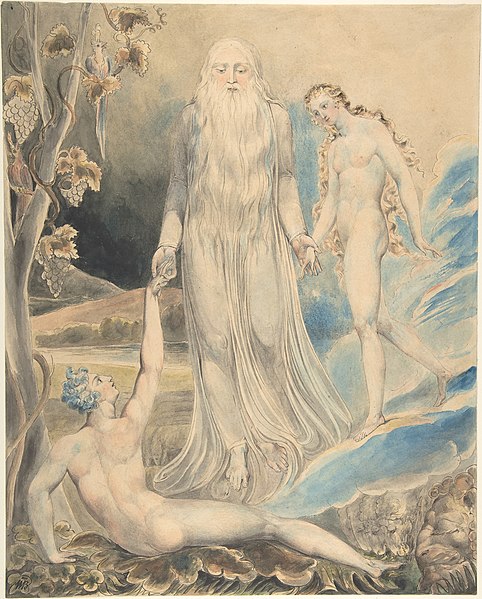
In his texts, Milton teaches that one is free to sin and suffer the resulting loss, but that loss is also part of growth, and one should repent so that new fruits can grow from the repentance. Adam and Eve ask God for forgiveness after their Fall and are given grace through Jesus’ sacrifice. But... Continue Reading →
Jesus’ Wilderness as an antithesis to Eden
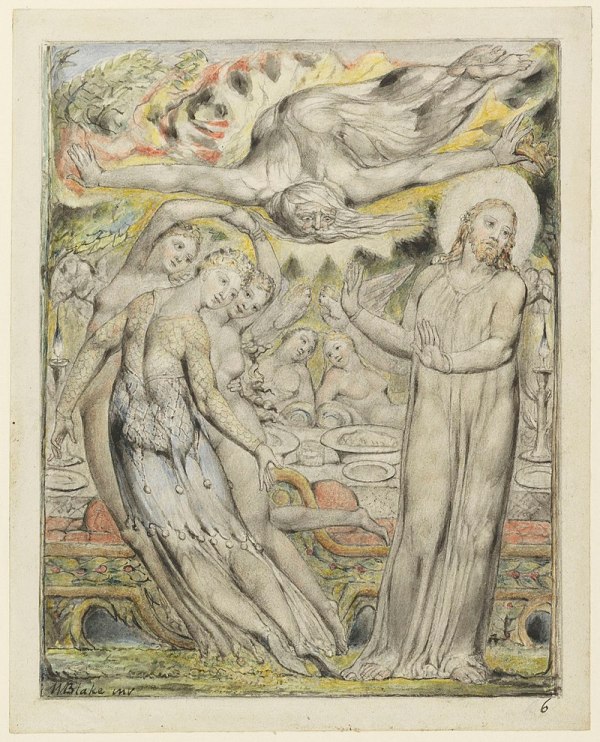
In John Milton’s Paradise Regained, Milton chooses the rather unexpected moment of Jesus’ retreat into the wilderness for Jesus’ greatest triumph: the regaining of Paradise. He portrays it as the antithesis to Adam and Eve’s temptation in Eden, and it is in this moment that Jesus is tempted with everything by Satan to take the... Continue Reading →
Eve’s Argument for Free Will & Reason in Paradise Lost
In Book 9 of Paradise Lost, Adam and Eve argue on whether to split up their work. Adam fears that Eve will be easily tempted if she leaves him. Eve argues that Adam needs to trust her and that untested faith and love is weak, echoing God’s and Milton’s beliefs on the importance of free... Continue Reading →