Jane Eyre as Mr. Rochester’s Liberator

The novel Jane Eyre is a Victorian Gothic bildungsroman that explores the early life of the eponymous character. At eighteen Jane is hired by Mr. Rochester as a governess at Thornfield Hall. This essay will argue that Jane’s innocent, independent personality liberates Mr. Rochester from his mental enslavement at Thornfield Hall. Jane provides a glimpse... Continue Reading →

The Clashing Worldviews of Dante and Petrarch

Dante Alighieri and Francesco Petrarch were Florentine thinkers active in the 13th and 14th centuries. But their worldviews were very different, and two of their most famous texts reflect this. Dante’s On Monarchy uses Aristotelian scholasticism to argue that the Holy Roman Emperor has the right to rule over Europe. Meanwhile, Petrarch’s On His Own... Continue Reading →

The Reader’s Replacement of the Author

The French structuralist writer Roland Barthes wrote a short essay called “The Death of the Author” in 1967. In it, he argues that writing is the destruction of every voice, and that while this has not been recognized before, writers are now starting to take this into account and critics should focus on the reader... Continue Reading →

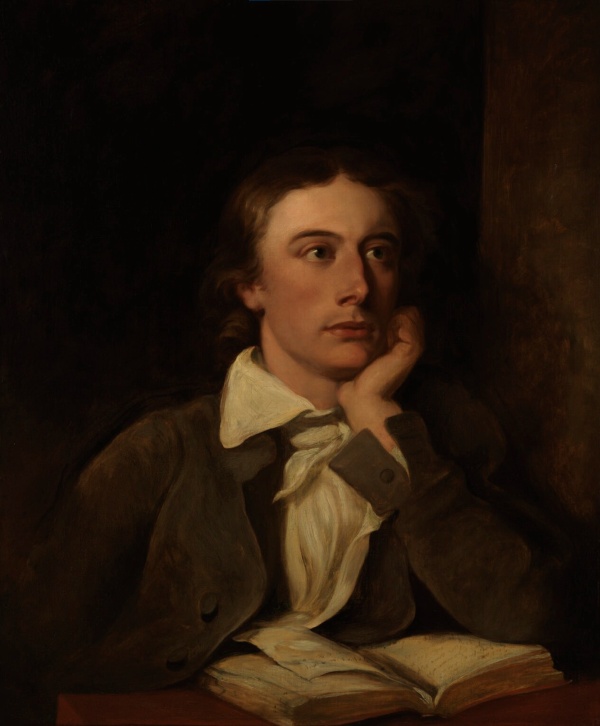
John Keats’ Fear of Forgetting

John Keats, “[When I have fears that I may cease to be]” When I have fears that I may cease to beBefore my pen has gleaned my teeming brain,Before high-pilèd books, in charactery,Hold like rich garners the full ripened grain;When I behold, upon the night’s starred face,Huge cloudy symbols of a high romance,And think that... Continue Reading →

Close Reading of “The Tyger”

William Blake’s “The Tyger” poem is arguably his most famous work in this form of literature and in all of English. It is about a person who wonders how a tiger is created, but it is not merely a fun poem. “The Tyger” is a discourse on duality, with a speaker who is shocked at... Continue Reading →

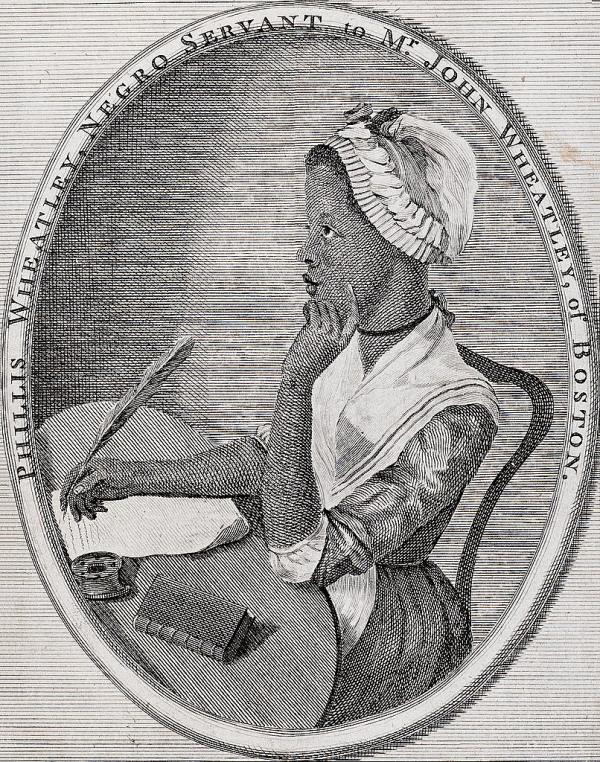
Phillis Wheatley’s Sermon to Cambrige Students

Phillis Wheatley was an American poet who was the first African American to get published. Her poem “To the University of Cambridge in New England” is addressed to students of that university, and she tells them of Jesus’ sacrifice and the promise for redemption. This poem affirms equality through the shared sin and salvation of... Continue Reading →

Blog at WordPress.com.

Up ↑