This source is an article about how seasons are used as similes in the Aeneid, by George Fredric Franko of Hollins University. The audience for the article is people who have already read the Aeneid, because the author does not analyze the similes in the order they appear in the story. He looks at autumn... Continue Reading →
Commentary on “The Conversion and Journey of St. Hortensius of Toulouse”
My saint takes inspiration from many of the saints I’ve studied. I decided to choose St. Martin’s time and place for my saint because I found Martin’s life, his time period and his conversion of the pagans interesting. I wanted to create a saint with some similar experiences and qualities while having other ones. Like... Continue Reading →
The Conversion and Journey of St. Hortensius of Toulouse
St. Hortensius was born in Toulouse, southern Gaul, in 334 AD to a wealthy and prominent pagan family. Hortensius always had the light of intelligence, and read the poetry of Virgil, Ovid, and Cicero. Hortensius was full of energy and liked to wrestle. But he was also boisterous and arrogant: as soon as he reached... Continue Reading →
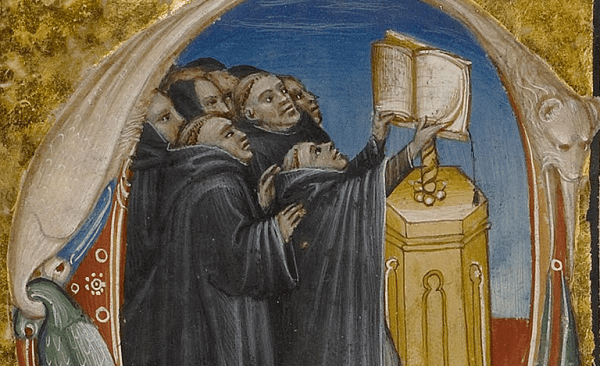
The Ideals and Roles of Late Antique Monasticism
Late antique monks and nuns believed their true utopia would come later in heaven, while on Earth they had to strive for perfection through virtue. One of the things this involved was being free of material possessions that could distract them so they could imitate Christ. Monks were often wealthy people who sold their possessions... Continue Reading →
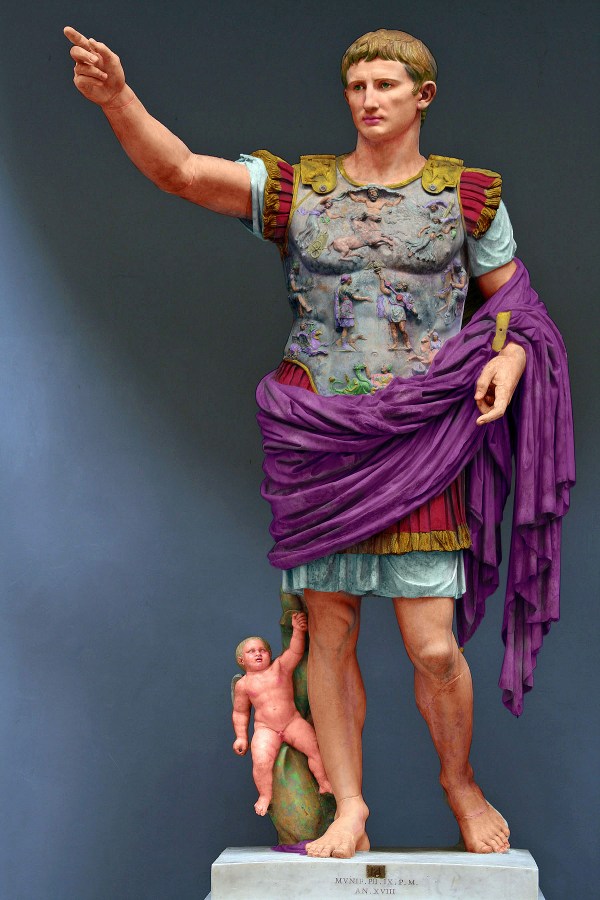
Augustus’ relationship with Aphrodisias and Samos
The document is a copy of a letter that Augustus had given in reply to Samos, inscribed in a marble block from the grand archive wall of the theatre in Aphrodisias, Caria. The date of the letter is not exactly clear: but it was most likely from soon after 27 BC.[1] The Aphrodisian copy may... Continue Reading →
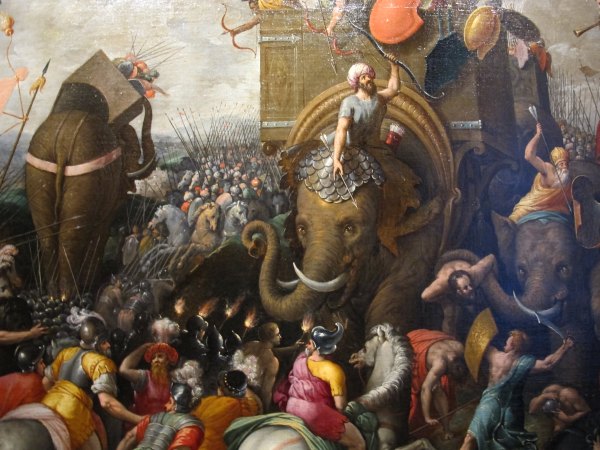
Polybius and the Background of the Second Punic War’s Outbreak
This source is a passage from Book 3, Chapter 30 of Polybius’ Histories on the causes of the Second Punic War. It argues that both sides are to blame for the war, giving reasons why. The Spanish city of Saguntum had placed itself under Roman protection since they had turned to the Romans to solve... Continue Reading →