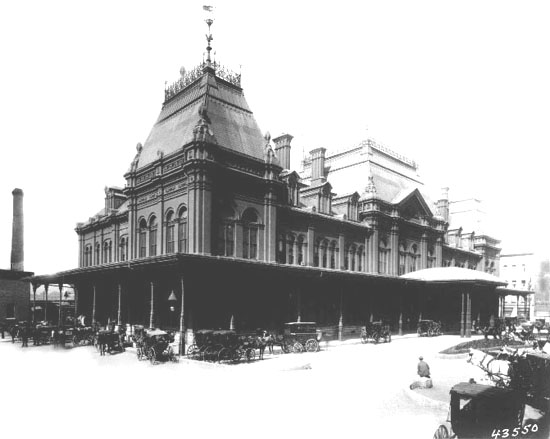
A large country such as Canada requires a strong railway industry for its transportation and economy. Four historical articles from Quebec’s English speaking media can tell us about the growth and development of the railway industry in Quebec and in relation to the rest of Canada, with citizens and the government being integral to this... Continue Reading →
A Glimpse into the Life Cycle of Medieval Novgorod
https://www.youtube.com/watch?v=OMIzcrVXY9c&t=938s Video Script Hello, my name is Diego De la Parra and this video is on “A Glimpse into the Life Cycle of Medieval Novgorod Through the Eyes of Birchbark”. In the 1950s archeologists discovered hundreds of birchbarks documents near Novgorod, Russia. They were letters, notes and receipts dating from the 11th to 15th centuries,... Continue Reading →
The Reconceptualization of Marriage as an Independent Institution in Early Modern Europe
Medieval marriages were multifaceted. In canon law marriage focused more on consent and autonomy than rules. Laws of marriage were not always followed, and different types of marriage could be experimented with. Weddings were often just as much social and opulent events as they were about the couple. Mock youth groups could prepare themselves for... Continue Reading →
Reflection on the “Diet, Food and Consumption in the Greek and Roman Worlds” UTM talk (Delivered Sept 22, 2022)
The first lecture by John Wilkins was on food in Greco-Roman Culture. Wilkins started out by talking about anthropological situations of food and culture in antiquity. The ancient Greco-Romans believed that nature was controlled by powerful forces, normally gods. I think this is a good point: many ancient cultures including the Greeks knew the world... Continue Reading →
Augustus’ relationship with Aphrodisias and Samos
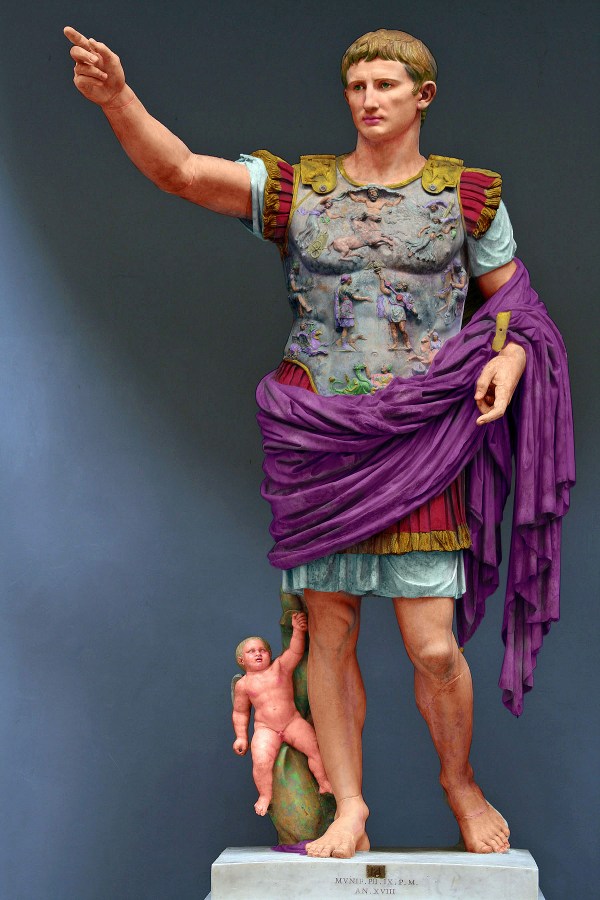
The document is a copy of a letter that Augustus had given in reply to Samos, inscribed in a marble block from the grand archive wall of the theatre in Aphrodisias, Caria. The date of the letter is not exactly clear: but it was most likely from soon after 27 BC.[1] The Aphrodisian copy may... Continue Reading →
Analysis of The Tomb of Fastia Velsi from Chiusi
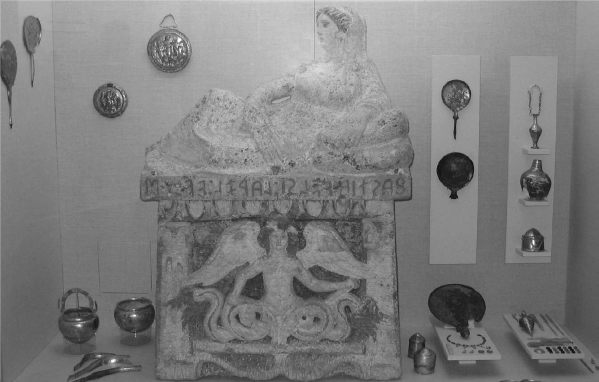
Fastia Velsi’s urn was part of a tomb in the Colle Lucioli near Chiusi. The lid of Fastia Velsi’s inscribed travertine urn depicts her wearing a tunic and elaborate jewelry, reclining on two pillows as if in a banquet. The front of the container depicts a youthful figure with wings and fishtail legs. It possibly... Continue Reading →
The Advancement and Reversal of Democratic Freedoms and Economic Equality in Latin America during the 20th century
In the first half of the 20th century, Latin America was going through a dynamic change. Social movements were taking control of their national destinies, advancing democracy along with economic equality in countries like Mexico, Brazil, and Argentina. But the United States, through its coup in Guatemala, initiated the Cold War which saw both the... Continue Reading →
The Moral Complexity of the Spanish Conquest of the Americas
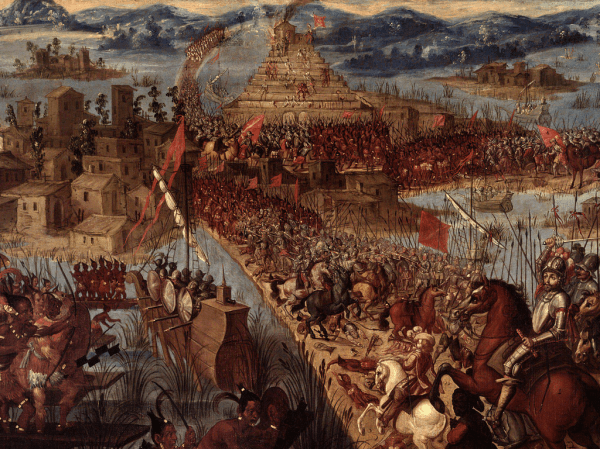
The Spanish conquest of America is a morally complex topic. Like any conquest, it involved brutality and violence. But this is not the whole story: to understand the conquest, one has to understand the logic of the conquerors’ world and their situation. The Spanish, having developed a Christian zeal in the long Reconquista, juxtaposed themselves... Continue Reading →
Polybius and the Background of the Second Punic War’s Outbreak
This source is a passage from Book 3, Chapter 30 of Polybius’ Histories on the causes of the Second Punic War. It argues that both sides are to blame for the war, giving reasons why. The Spanish city of Saguntum had placed itself under Roman protection since they had turned to the Romans to solve... Continue Reading →
The American post-WW1 debate between internationalism and nationalism
On January 8, 1918, during World War I which America had just entered nine months earlier, US President Woodrow Wilson outlined his vision of a post-war world in his “Fourteen Points” speech. He advocated for diplomacy, free trade, the creation of an association of nations, and the redrawing of national borders. But Wilson faced backlash... Continue Reading →