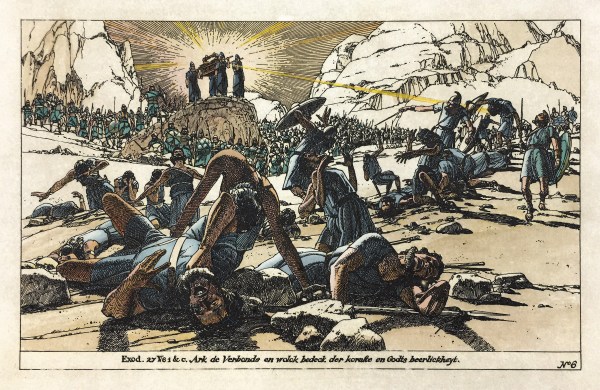
Abraham was a clan chief from Ur in Mesopotamia. Following God’s call, who promised him his own land and many descendants, he travelled west to Canaan. Abraham believed that God demanded his son Isaac as a sacrifice. However, God stopped Abraham at the last minute, and Abraham offered a ram instead, foreshadowing the Crucifixion. To... Continue Reading →
The Role of the Jews in the Glorious Revolution
The Glorious Revolution was one of the most significant events in English history. It was the last successful invasion of England and saw the replacement of the Stuart monarch James II with his daughter Mary and her husband William of Orange, who became King William III. This paper will argue that Jews played a crucial... Continue Reading →
St. Martin of Tours as an ideal “miles Christi” for the late Middle Ages
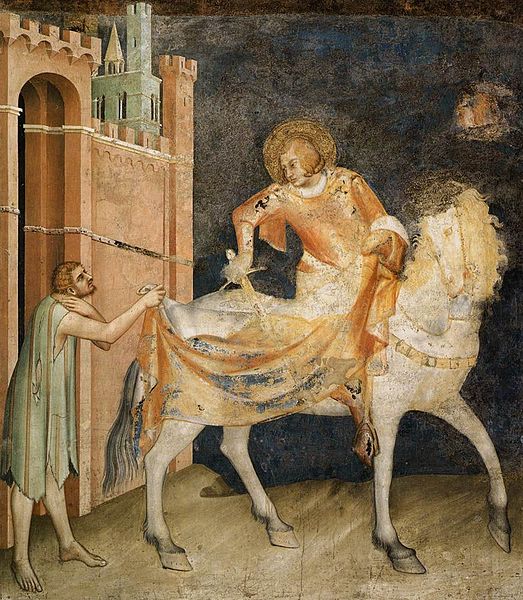
St. Martin of Tours was one of the central saints of the medieval monastic tradition. He had been a soldier, monk, and then bishop of Tours in his lifetime. This essay argues that because Martin was portrayed as the exemplary miles Christi or warrior for Christ in his monastic biography, he was an ideal for... Continue Reading →
The Ideals and Roles of Late Antique Monasticism
Late antique monks and nuns believed their true utopia would come later in heaven, while on Earth they had to strive for perfection through virtue. One of the things this involved was being free of material possessions that could distract them so they could imitate Christ. Monks were often wealthy people who sold their possessions... Continue Reading →
Queen Elizabeth’s Role as a Female English Monarch
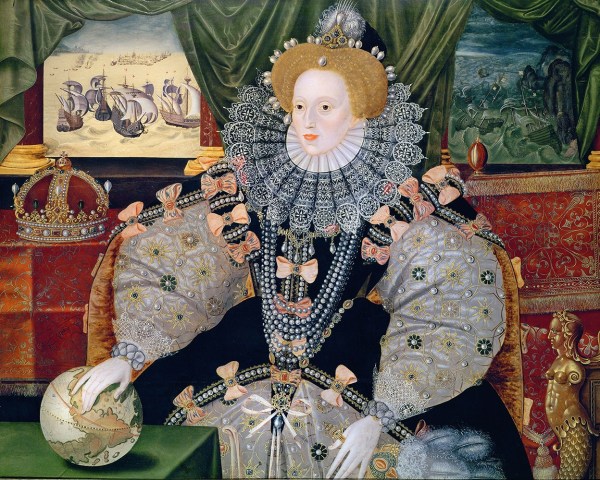
Queen Elizabeth I was one of England’s greatest monarchs, staying in power for 45 years, one of the longest reigns of any English monarch. But her rise to power was not easy, and she wasn’t even the first in line. Carole Levin’s Heart and Stomach of a King tells us the ways Elizabeth navigated the... Continue Reading →
The Clashing Worldviews of Dante and Petrarch
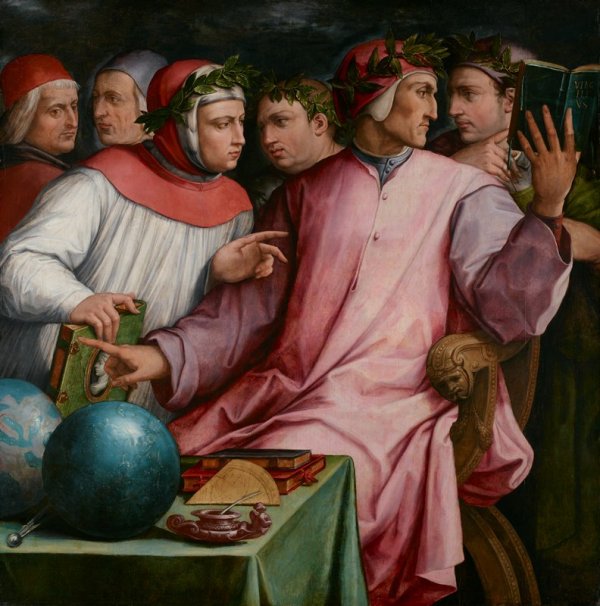
Dante Alighieri and Francesco Petrarch were Florentine thinkers active in the 13th and 14th centuries. But their worldviews were very different, and two of their most famous texts reflect this. Dante’s On Monarchy uses Aristotelian scholasticism to argue that the Holy Roman Emperor has the right to rule over Europe. Meanwhile, Petrarch’s On His Own... Continue Reading →
A Glimpse into the Development and Growth of Quebec’s Railway Industry in Historic Newspapers
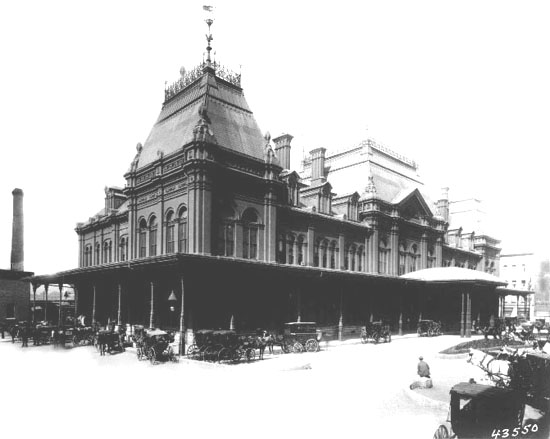
A large country such as Canada requires a strong railway industry for its transportation and economy. Four historical articles from Quebec’s English speaking media can tell us about the growth and development of the railway industry in Quebec and in relation to the rest of Canada, with citizens and the government being integral to this... Continue Reading →
A Glimpse into the Life Cycle of Medieval Novgorod
https://www.youtube.com/watch?v=OMIzcrVXY9c&t=938s Video Script Hello, my name is Diego De la Parra and this video is on “A Glimpse into the Life Cycle of Medieval Novgorod Through the Eyes of Birchbark”. In the 1950s archeologists discovered hundreds of birchbarks documents near Novgorod, Russia. They were letters, notes and receipts dating from the 11th to 15th centuries,... Continue Reading →
The Reconceptualization of Marriage as an Independent Institution in Early Modern Europe
Medieval marriages were multifaceted. In canon law marriage focused more on consent and autonomy than rules. Laws of marriage were not always followed, and different types of marriage could be experimented with. Weddings were often just as much social and opulent events as they were about the couple. Mock youth groups could prepare themselves for... Continue Reading →
Reflection on the “Diet, Food and Consumption in the Greek and Roman Worlds” UTM talk (Delivered Sept 22, 2022)
The first lecture by John Wilkins was on food in Greco-Roman Culture. Wilkins started out by talking about anthropological situations of food and culture in antiquity. The ancient Greco-Romans believed that nature was controlled by powerful forces, normally gods. I think this is a good point: many ancient cultures including the Greeks knew the world... Continue Reading →