Abraham was a clan chief from Ur in Mesopotamia. Following God’s call, who promised him his own land and many descendants, he travelled west to Canaan. Abraham believed that God demanded his son Isaac as a sacrifice. However, God stopped Abraham at the last minute, and Abraham offered a ram instead, foreshadowing the Crucifixion. To... Continue Reading →
Commentary on “The Conversion and Journey of St. Hortensius of Toulouse”
My saint takes inspiration from many of the saints I’ve studied. I decided to choose St. Martin’s time and place for my saint because I found Martin’s life, his time period and his conversion of the pagans interesting. I wanted to create a saint with some similar experiences and qualities while having other ones. Like... Continue Reading →
The Conversion and Journey of St. Hortensius of Toulouse
St. Hortensius was born in Toulouse, southern Gaul, in 334 AD to a wealthy and prominent pagan family. Hortensius always had the light of intelligence, and read the poetry of Virgil, Ovid, and Cicero. Hortensius was full of energy and liked to wrestle. But he was also boisterous and arrogant: as soon as he reached... Continue Reading →
The Kilt God is Cast Down
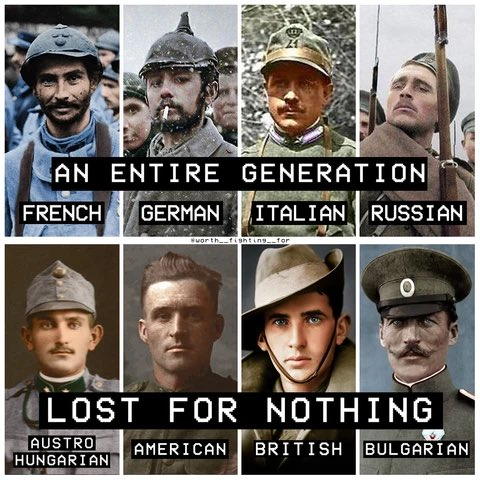
Wilfried Owen’s poem “Disabled” follows a soldier who has lost his legs during the war and is now alone and isolated. The poem uses images of color and temperature to show how the soldier changed before and after the war. The many colors and heat represent his innocence and vivacity, but after joining the military... Continue Reading →
The Idle Clockmaker and the Imprisoned Goose
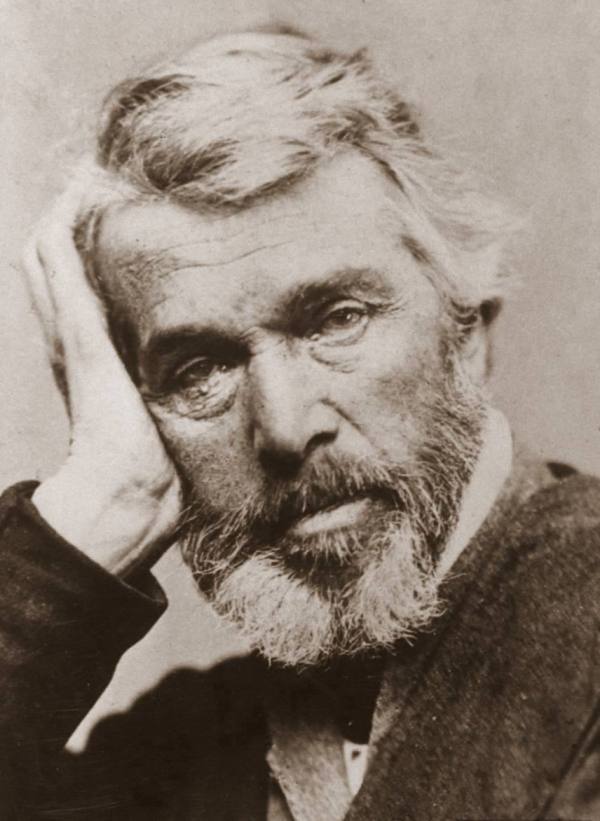
Thomas Carlyle was a Scottish historian and writer who in 1843 published his very influential historical and social criticism book “Past and Present”. There, he joins medieval history with criticism of 19th-century British society. In the chapter “Gospel of Mammonism”, Carlyle examines the materialism of his Victorian society. He argues that a society’s imagery of... Continue Reading →
Phillis Wheatley’s Sermon to Cambrige Students
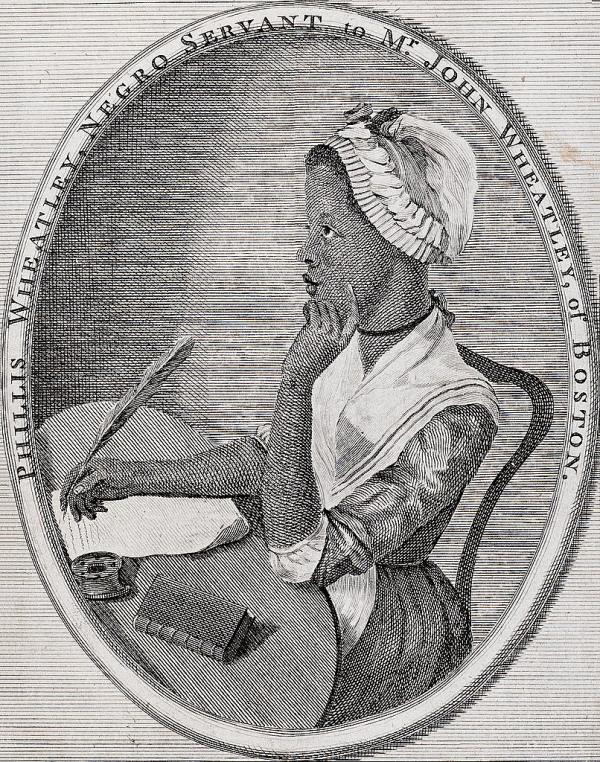
Phillis Wheatley was an American poet who was the first African American to get published. Her poem “To the University of Cambridge in New England” is addressed to students of that university, and she tells them of Jesus’ sacrifice and the promise for redemption. This poem affirms equality through the shared sin and salvation of... Continue Reading →