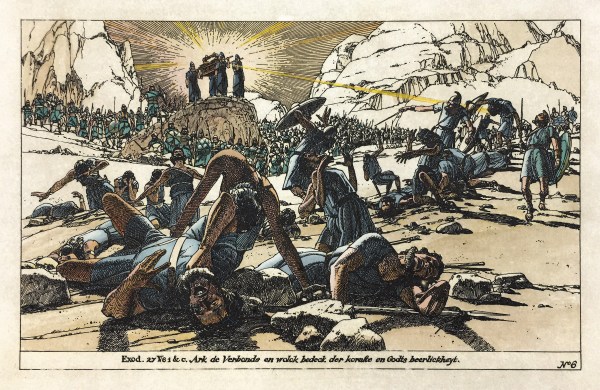
Abraham was a clan chief from Ur in Mesopotamia. Following God’s call, who promised him his own land and many descendants, he travelled west to Canaan. Abraham believed that God demanded his son Isaac as a sacrifice. However, God stopped Abraham at the last minute, and Abraham offered a ram instead, foreshadowing the Crucifixion. To... Continue Reading →
The Conversion and Journey of St. Hortensius of Toulouse
St. Hortensius was born in Toulouse, southern Gaul, in 334 AD to a wealthy and prominent pagan family. Hortensius always had the light of intelligence, and read the poetry of Virgil, Ovid, and Cicero. Hortensius was full of energy and liked to wrestle. But he was also boisterous and arrogant: as soon as he reached... Continue Reading →
The Freedom to Sin and Repent in Milton’s “Paradise Lost”
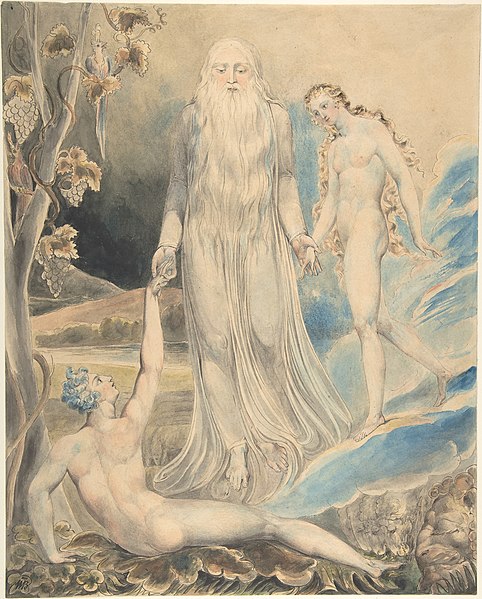
In his texts, Milton teaches that one is free to sin and suffer the resulting loss, but that loss is also part of growth, and one should repent so that new fruits can grow from the repentance. Adam and Eve ask God for forgiveness after their Fall and are given grace through Jesus’ sacrifice. But... Continue Reading →
Jesus’ Wilderness as an antithesis to Eden
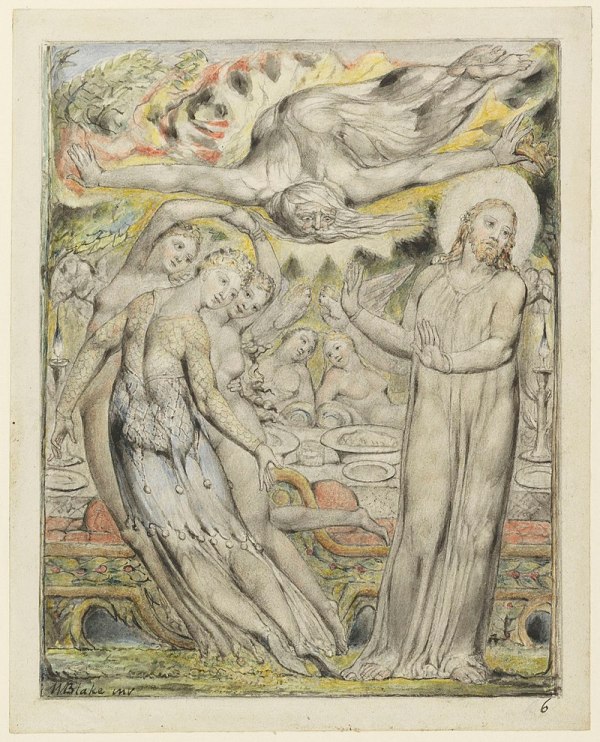
In John Milton’s Paradise Regained, Milton chooses the rather unexpected moment of Jesus’ retreat into the wilderness for Jesus’ greatest triumph: the regaining of Paradise. He portrays it as the antithesis to Adam and Eve’s temptation in Eden, and it is in this moment that Jesus is tempted with everything by Satan to take the... Continue Reading →
Eve’s Argument for Free Will & Reason in Paradise Lost
In Book 9 of Paradise Lost, Adam and Eve argue on whether to split up their work. Adam fears that Eve will be easily tempted if she leaves him. Eve argues that Adam needs to trust her and that untested faith and love is weak, echoing God’s and Milton’s beliefs on the importance of free... Continue Reading →
Satan’s False Opposition to Tyranny in Paradise Lost
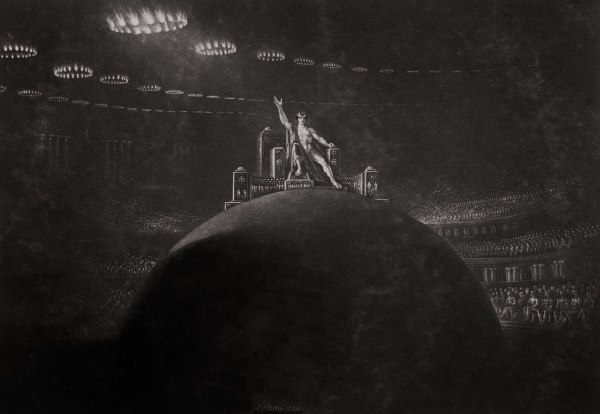
In John Milton’s Paradise Lost, the semblance of hell, Satan and his fellow demons is often radically different from their substance. One strong example of this is in hell’s freedom. Satan claims that hell is a democratic form of government, but this is proven not to be the case through Satan’s tyrannical rule and his... Continue Reading →
Comparing and Contrasting Melancholy in Cavendish and Milton
In both John Milton’s Il Penseroso and Margaret Cavendish’s A Dialogue between Melancholy and Mirth, Melancholy is a mature intellectual pursuit imparting knowledge and virtue since the poets draw on its complex and multifaceted nature. But while Cavendish’s description of melancholic thoughts and actions is very generalized, Milton’s is more specific. This may be because... Continue Reading →
The Spots of the Dreamer in “Pearl”
In Part 16 of the Pearl poem, the Dreamer asks the Pearl-Maiden to show him the way to Jerusalem, but the Pearl-Maiden tells him the difference between the worldly and heavenly Jerusalems. This section is about the spots of man which keep him trapped in the worldly Jerusalem away from the heavenly one, and the... Continue Reading →
The Kilt God is Cast Down
Wilfried Owen’s poem “Disabled” follows a soldier who has lost his legs during the war and is now alone and isolated. The poem uses images of color and temperature to show how the soldier changed before and after the war. The many colors and heat represent his innocence and vivacity, but after joining the military... Continue Reading →
The Mocking Romanticization of the Doomed Cattle
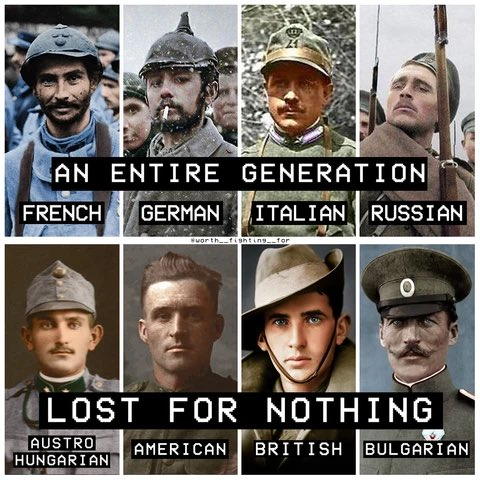
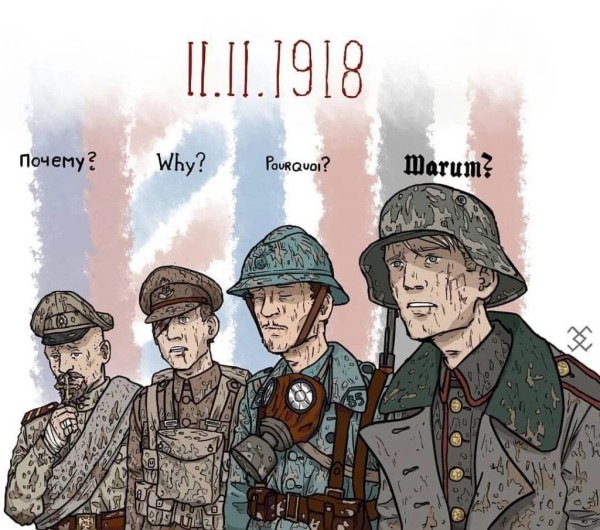
Wilfried Owen wrote many poems in the First World War, with one of the most famous being “Anthem for Doomed Youth”. Written in 1917 when he was recovering from injuries in the hospital, it depicts the dark destiny of young men fighting in the war to die. It is a warning against romanticizing the war,... Continue Reading →