In the Iliad, Hector is a Trojan prince who leads his people in their war against the Greeks. Book 6 describes his character and reason for fighting. Hector is the Trojans’ pillar, a humble man who accepts his fate but fights so he can earn fame while securing the Trojans’ future. All the Trojans look... Continue Reading →
Overview of Mycenaean Greece
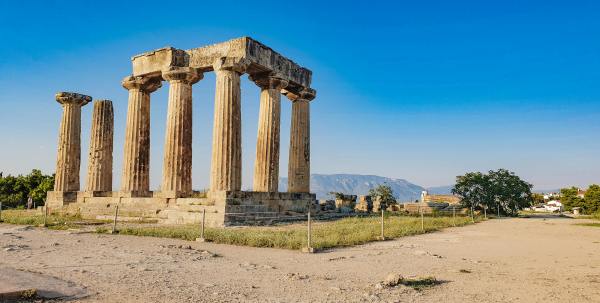
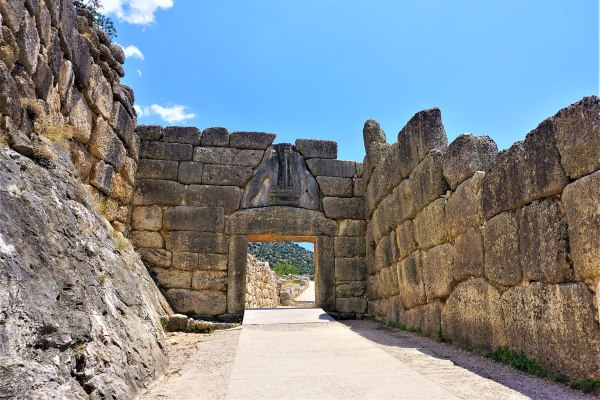
Mycenaean Greece was the late Bronze Age period of Greek history from around 1750 to 1050 BC, when the first advanced civilization emerged in mainland Greece. It is named after the city of Mycenae. The Mycenaean Greeks made significant advances in engineering, architecture, and military infrastructure. They created the first Greek script, Linear B, and... Continue Reading →
Aeneas’ Pietas against Dido’s anti-Pietas
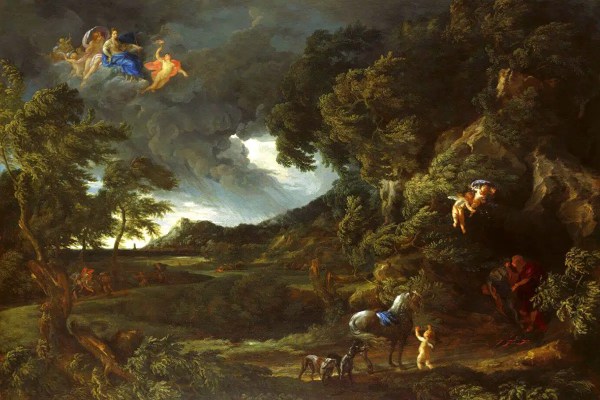
The Aeneid is an epic poem by Virgil that tells an origin story of the Romans and was Rome’s national epic. One of the most famous episodes of the work is Aeneas’ tragic affair with Dido, which ends with Dido’s suicide. This essay will argue that Aeneas’ staunch inclination to following his pietas most strongly... Continue Reading →
Secondary Source Review: Seasons and Similes in the Aeneid
This source is an article about how seasons are used as similes in the Aeneid, by George Fredric Franko of Hollins University. The audience for the article is people who have already read the Aeneid, because the author does not analyze the similes in the order they appear in the story. He looks at autumn... Continue Reading →
Criseyde’s Tragic Journey to Love and Back
One of the English poet Geoffrey Chaucer’s most famous poems is Troilus and Criseyde, a retelling of the classic love tragedy poem. It is set amid the background of the Trojan War, but in a 14th century environment. In it, the Trojan prince Troilus falls in love with the Trojan noblewoman Criseyde. Criseyde is a... Continue Reading →
El Heroe Improbable (The Unlikely Hero Spanish translation)
Theodogan, un hombre de 18 años, vió los cien soldados Morgalianos marchando a su ciudad, Nelandros, desde la puerta de su granja. Sudaba en su quitón blanco sin mangas por el calor de la tarde. Curioso, se retiró de su casa y camino por los verdes campos abiertos para seguir el pequeño ejército. Desde la... Continue Reading →
Meeting a Mysterious Old Man
This is a scene, written in play form, of the part when Theodogan meets Fadan on his way out of his city-state of Nelandros. It involves an extended conversation between the two characters not present in the Short Story due to word constraints. The young farmboy Theodogan hurries down the road, panting and carrying a... Continue Reading →
The Unlikely Hero
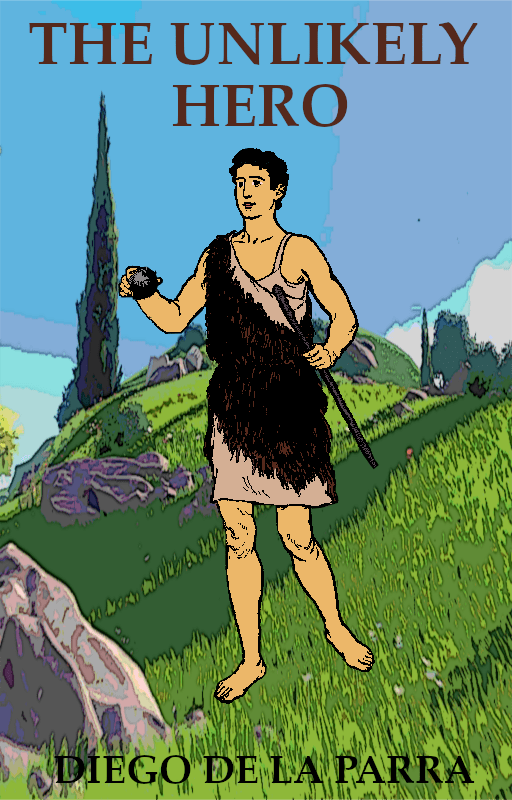
Eighteen-year-old Theodogan watched the one hundred Morgalian soldiers marching towards his city-state of Nelandros from the door of his farmhouse. He sweated in his sleeveless white chiton from the afternoon heat. Curious, he left his house and walked through the open green fields to follow the small army. From a distance he could see the... Continue Reading →
Zeus Cultural Analysis
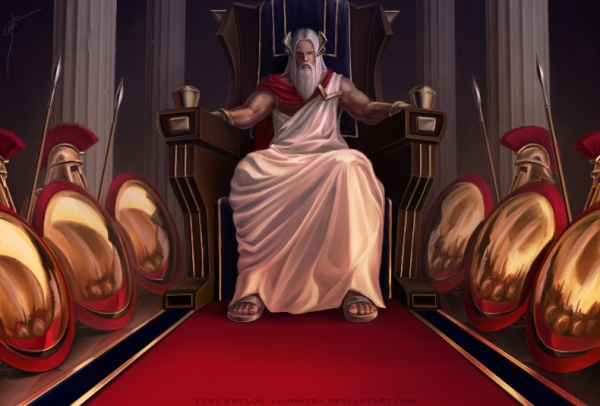
Zeus is the primordial god in Greek mythology and likely the most interesting one as a result. The god Zeus was created as the Greek version of the Indo-European sky god, related to other patriarchal sky gods such as Thor and Odin in the Norse Pantheon. The religion of Zeus very likely came about as... Continue Reading →
Bellerophon Myth Character Analysis
In the myth of Proitos, Stheneboia, and Bellerophon, Bellerophon is the Hero, while Pegasus is his Ally. Proitos and Iobates both serve as the Heralds, while Polyeidos and Athena serve as Mentors. The Threshold Guardians include the Chimera, the Solymi tribe, the Amazons, and Iobates’ army. The Shadow is Stheneboia. All these characters possess qualities... Continue Reading →