“Squatter” is a short story by Indo-Canadian writer Rohinton Mistry about a man named Sarosh who immigrates to Canada from India but leaves a decade later after failing to use the toilet properly in his new country. “Simple Recipes” is another short story by the Chinese-Malaysian Canadian writer Madeleine Thien about a Chinese Canadian family... Continue Reading →
Marilla’s Journey of Letting Go
Anne of Green Gables is a 1908 novel written by Lucy Maud Montgomery which explores the coming of age of a girl named Anne Shirley in the town of Avonlea. While Anne’s imaginary adventures make the book resonate with children, it is Marilla’s struggles that adults identify with. In the beginning of the novel Marilla... Continue Reading →
A Counter Narrative to “The Indian Girl in Modern Fiction”
In her 1892 article “A Strong Race Opinion: On the Indian Girl in Modern Fiction” the Canadian First Nations author Pauline Johnson critiques the narrow, stereotyped representation of Indigenous women in fiction. She wrote a counter narrative in her short story “A Red Girl’s Reasoning”. In mainstream Amerindian stories written by white Canadians at the... Continue Reading →
The Kilt God is Cast Down
Wilfried Owen’s poem “Disabled” follows a soldier who has lost his legs during the war and is now alone and isolated. The poem uses images of color and temperature to show how the soldier changed before and after the war. The many colors and heat represent his innocence and vivacity, but after joining the military... Continue Reading →
The Mocking Romanticization of the Doomed Cattle
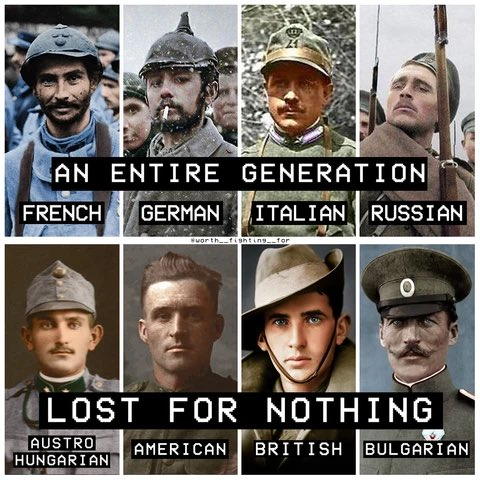
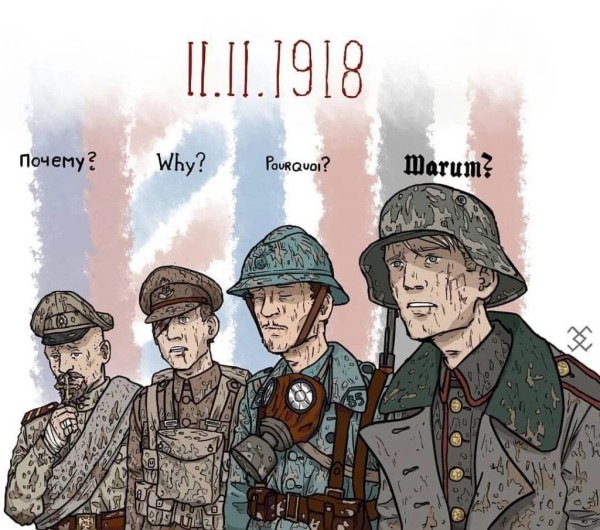
Wilfried Owen wrote many poems in the First World War, with one of the most famous being “Anthem for Doomed Youth”. Written in 1917 when he was recovering from injuries in the hospital, it depicts the dark destiny of young men fighting in the war to die. It is a warning against romanticizing the war,... Continue Reading →
Jekyll’s Fatal Voyage of Transcendence
Robert Louis Stevenson was a Scottish novelist, poet and travel writer who published a novella called The Strange Case of Henry and Jekyll in 1886. It is about a doctor called Henry Jekyll who separates himself into two beings. Through his investigations of the human psyche, Jekyll discovers that he is not simply one being,... Continue Reading →
The Idle Clockmaker and the Imprisoned Goose
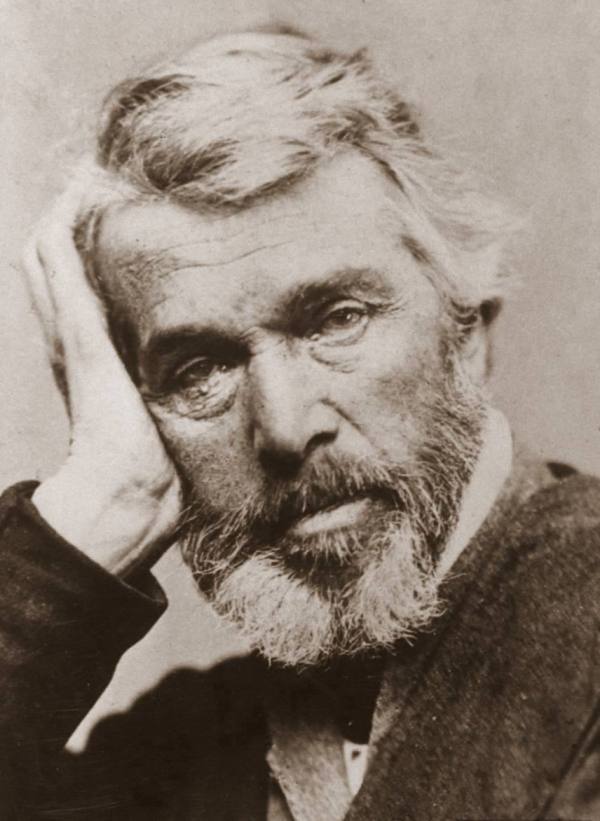
Thomas Carlyle was a Scottish historian and writer who in 1843 published his very influential historical and social criticism book “Past and Present”. There, he joins medieval history with criticism of 19th-century British society. In the chapter “Gospel of Mammonism”, Carlyle examines the materialism of his Victorian society. He argues that a society’s imagery of... Continue Reading →
John Keats’ Fear of Forgetting
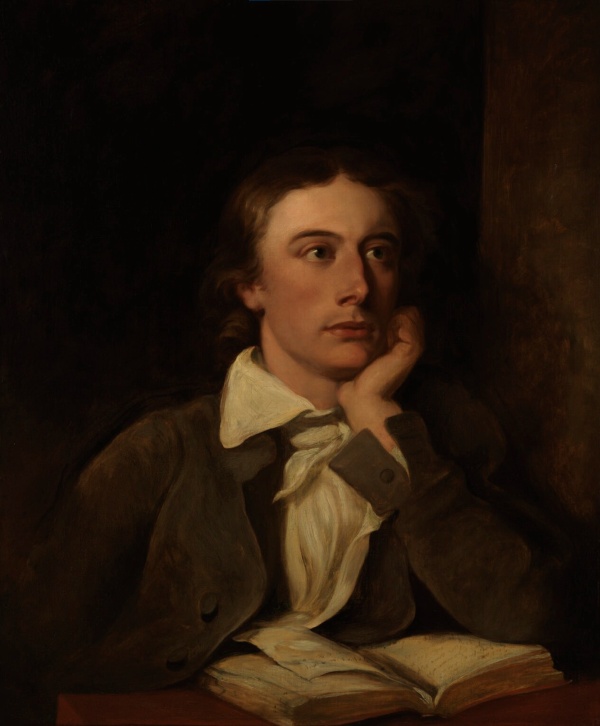
John Keats, “[When I have fears that I may cease to be]” When I have fears that I may cease to beBefore my pen has gleaned my teeming brain,Before high-pilèd books, in charactery,Hold like rich garners the full ripened grain;When I behold, upon the night’s starred face,Huge cloudy symbols of a high romance,And think that... Continue Reading →
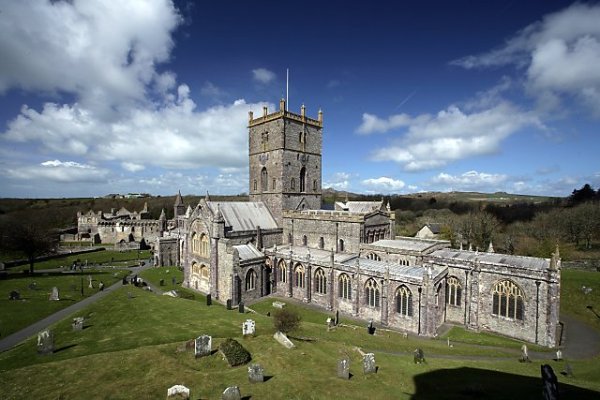
Historical Time Traveler’s Guide: St. David’s and Southwest Wales, late 12th century
Location St David's is in the region of Deheubarth in the southwest of Wales. It is a remote corner on the coast of the Irish sea, with rocky and barren soil lacking woods, rivers, or meadows, never exposed to the winds and tempests.[1] The cathedral is in a narrow valley with damp, marshy and unstable... Continue Reading →
The Dangers of the East in “The Speckled Band”
Arthur Conan Doyle’s “Sherlock Holmes: The Speckled Band” is a “locked room” mystery which sees the famed detective try to solve the mysterious death involving a “specked band” by the whim of Helen Stoner, who feels that her stepfather is attempting her murder so he can keep control of his inheritance. It is one of... Continue Reading →