St. Hortensius was born in Toulouse, southern Gaul, in 334 AD to a wealthy and prominent pagan family. Hortensius always had the light of intelligence, and read the poetry of Virgil, Ovid, and Cicero. Hortensius was full of energy and liked to wrestle. But he was also boisterous and arrogant: as soon as he reached... Continue Reading →
The Ideals and Roles of Late Antique Monasticism
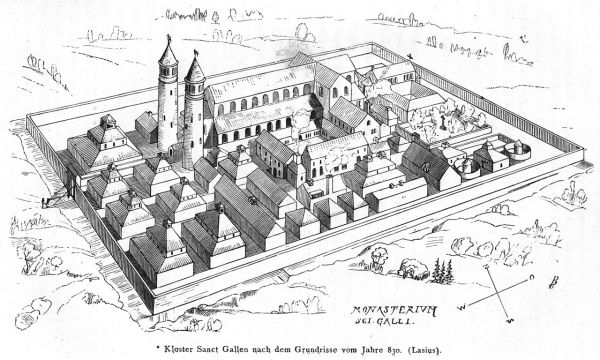
Late antique monks and nuns believed their true utopia would come later in heaven, while on Earth they had to strive for perfection through virtue. One of the things this involved was being free of material possessions that could distract them so they could imitate Christ. Monks were often wealthy people who sold their possessions... Continue Reading →
Queen Elizabeth’s Role as a Female English Monarch
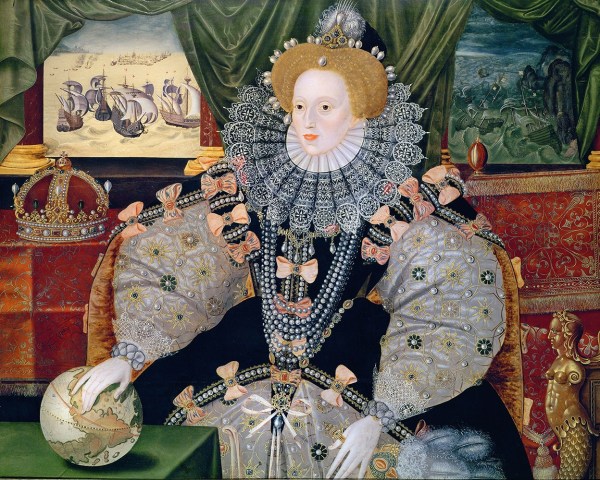
Queen Elizabeth I was one of England’s greatest monarchs, staying in power for 45 years, one of the longest reigns of any English monarch. But her rise to power was not easy, and she wasn’t even the first in line. Carole Levin’s Heart and Stomach of a King tells us the ways Elizabeth navigated the... Continue Reading →
The Clashing Worldviews of Dante and Petrarch
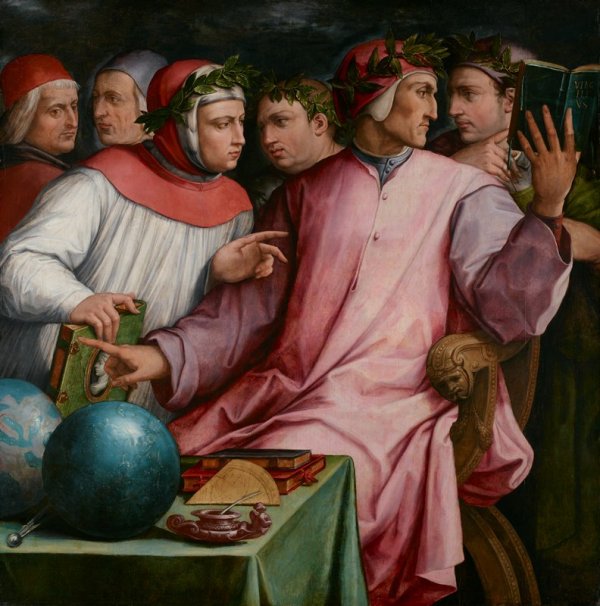
Dante Alighieri and Francesco Petrarch were Florentine thinkers active in the 13th and 14th centuries. But their worldviews were very different, and two of their most famous texts reflect this. Dante’s On Monarchy uses Aristotelian scholasticism to argue that the Holy Roman Emperor has the right to rule over Europe. Meanwhile, Petrarch’s On His Own... Continue Reading →
A Glimpse into the Life Cycle of Medieval Novgorod
https://www.youtube.com/watch?v=OMIzcrVXY9c&t=938s Video Script Hello, my name is Diego De la Parra and this video is on “A Glimpse into the Life Cycle of Medieval Novgorod Through the Eyes of Birchbark”. In the 1950s archeologists discovered hundreds of birchbarks documents near Novgorod, Russia. They were letters, notes and receipts dating from the 11th to 15th centuries,... Continue Reading →
The American post-WW1 debate between internationalism and nationalism
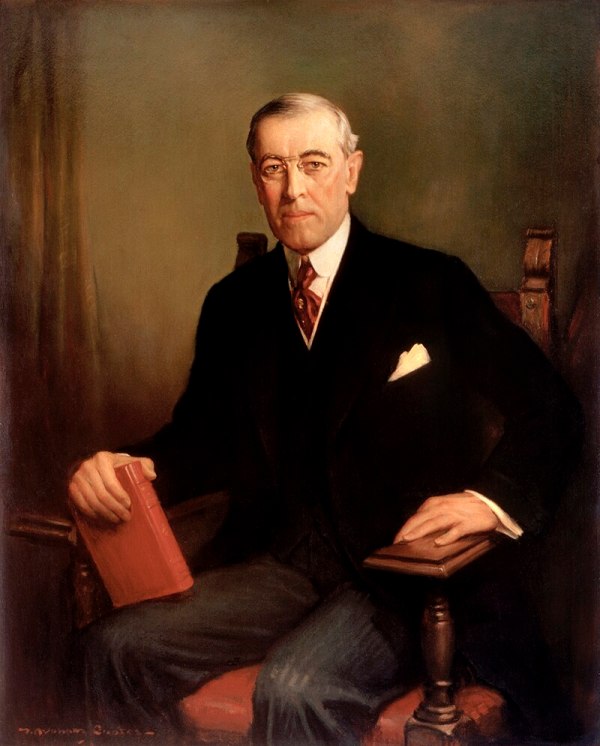
On January 8, 1918, during World War I which America had just entered nine months earlier, US President Woodrow Wilson outlined his vision of a post-war world in his “Fourteen Points” speech. He advocated for diplomacy, free trade, the creation of an association of nations, and the redrawing of national borders. But Wilson faced backlash... Continue Reading →
The Trap of Multiculturalism in “Squatter” and “Simple Recipes”
“Squatter” is a short story by Indo-Canadian writer Rohinton Mistry about a man named Sarosh who immigrates to Canada from India but leaves a decade later after failing to use the toilet properly in his new country. “Simple Recipes” is another short story by the Chinese-Malaysian Canadian writer Madeleine Thien about a Chinese Canadian family... Continue Reading →
The Kilt God is Cast Down
Wilfried Owen’s poem “Disabled” follows a soldier who has lost his legs during the war and is now alone and isolated. The poem uses images of color and temperature to show how the soldier changed before and after the war. The many colors and heat represent his innocence and vivacity, but after joining the military... Continue Reading →
The Mocking Romanticization of the Doomed Cattle
Wilfried Owen wrote many poems in the First World War, with one of the most famous being “Anthem for Doomed Youth”. Written in 1917 when he was recovering from injuries in the hospital, it depicts the dark destiny of young men fighting in the war to die. It is a warning against romanticizing the war,... Continue Reading →
Wheatley’s and Douglass’ Sermons for Equality
Phillis Wheatley was an American poet and a child prodigy who wrote many well-regarded poems and was considered one of the best of her time, even being revered by George Washington. This was despite her status as a slave. Her poems which will be discussed in this essay are “On Being Brought from Africa to... Continue Reading →